



















Comparing Tapaday Tapentadol 200 Mg Tablets with Conventional Opioids: A Benefit–Risk Analysis
Explore how Tapaday Tapentadol 200 mg tablets stacks up against opioids like oxycodone. Dive into efficacy, safety, GI tolerability, and risk profiles to help guide better pain management decisions.
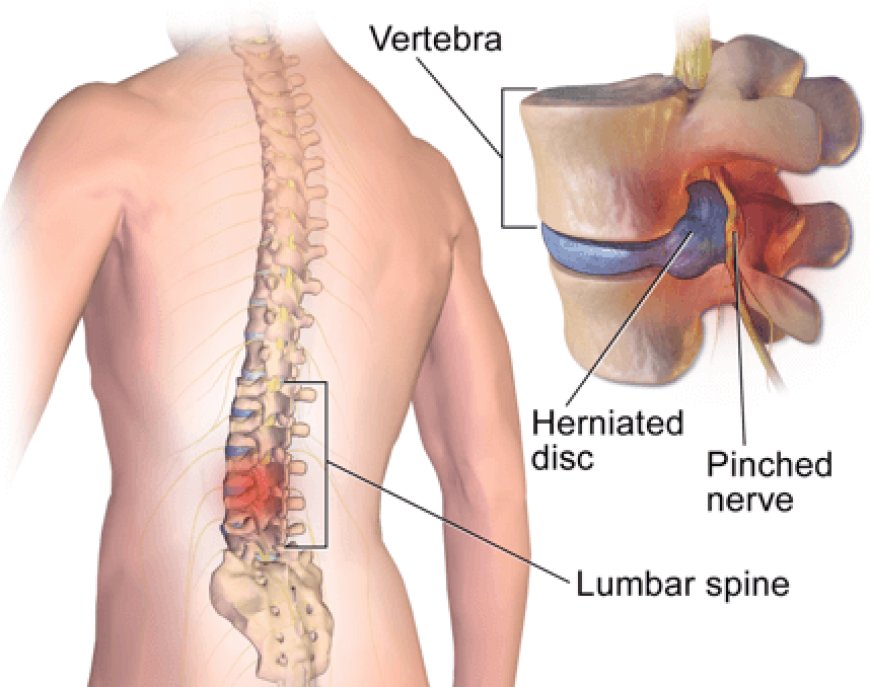
Painreliefis abalanceactbetweensafetyandefficacy.Oldopioidssuchasoxycodone are effective butusuallyhavedebilitatingside effectsmostimportantly,GIsideeffectsand risk ofdependency. Tapaday Tapentadol 200 mg tabletspresentsanewoption with its dualmechanismof action,potentiallyprovidingbenefitsin tolerability andconveniencewithoutsacrificingpotentanalgesia.
This deep-dive examines:
-
Mechanisms of action
-
Analgesic efficacy comparison
-
GI tolerability and patient comfort
-
Side effect profiles
-
Abuse, dependency, and safety
-
Long-term adherence and withdrawal
-
Clinical considerations
-
Limitations and cautions
-
Summary takeaways
1. Mechanism of Action: Dual vs. Single Pathways
Tapaday Tapentadol 200 mg tablets combines:
-
?-opioid receptor (MOR) agonism,providingopioid-level painrelief
-
Norepinephrine reuptake inhibition (NRI),enhancingdescending paininhibition.
Thisisincontrast toopioidssuchasoxycodone, whichactonlythroughMOR activation. Dual mechanismspotentiallydecreaseopioid dose andalleviatesome opioid-specificsideeffects.
2. Analgesic Efficacy: Equally Strong Relief
-
Tapaday Tapentadol 200 mg tablets IRissimilarlyeffective inpain reliefasoxycodone IR in acuteconditionspost-bunionectomypain, low backpain, and osteoarthritis pain.
-
Tapentadol ER wasequallyeffective as oxycodone CR indecreasingpain on an 11-point scalein chronic osteoarthritis and low back pain.
Patientsfindrelief between 100250?mg BID (max 500?mg/day) of Tapentadol ER,correspondingto moderateoxycodonedosesin opioid potency.
3. Gastrointestinal Tolerability: A Major Advantage
Tapaday Tapentadol 200 mg tablets isalwaysbetter tolerated than oxycodoneinterms ofGI effects:
-
Lowerconstipation: Tapentadolhasnormal stoolconsistencyandfrequency; oxycodoneinducessignificantly longer whole gut transit (1731 hours delay) .
-
Improvedstool consistency:Soft stools andlessside effectsrelated to bowel are seenwith Tapentadol IRcomparedtooxycodone IR.
-
FewerGI TEAEswerereportedwithtapentadolERcomparedtooxycodone CR51% vs. 72% GI event rateswithlessdiscontinuation due tosideeffects.
-
Meta-analysisfindings:Statisticallysignificantdecreasesin nausea (RR 0.61), vomiting (RR 0.50), constipation (RR 0.47), and dizziness (RR 0.86)comparedwithoxycodone.
Theresultsindicatea clinicallyrelevanttolerabilitybenefit,particularlywithlong-termadministration.
4. Side Effect Profiles Beyond the Gut
Bothdrugshaveopioid-likesideeffectssomnolence,dizziness, pruritus. However:
-
Tapentadolproducesmoredrynessof themouth or dyspepsia (RR 1.79 and 2.75 respectively).
-
CNS side effectssuchassedation areequalor slightlyreducedwith Tapentadolowingtosynergisticeffectwith NRIthatneedsless opioid receptor stimulation.
-
Serious adverse events (seizures, serotonin syndrome, respiratory depression)arestillpossible with bothmonitoringneeded, especially with sedatives or antidepressants.
5. Abuse, Dependency & Safety Considerations
Tapaday Tapentadol 200 mg tablets is a Schedule II controlledmedication,reflectingabuse potential. It is not areduced-addictionalternative:
-
Initialinvestigationshadimpliedlowerrisk ofmisuse, but real-worldevidencerevealssimilaraddiction liability to other full opioids .
-
Aswithall opioids,vigilanceisrequiredpatienteducation,useofPDMPs, andconsiderationofnaloxone asindicated.
6. Long-Term Adherence & Tolerance
Tapentadol ERprovidesprolongedpain control(?2 years) without toleranceaccumulation.
-
ImprovedGI tolerabilityresultsinbetteradherence.
-
Decreaseddiscontinuation ratesfavorlong-term use in chronic pain.
7. Clinical Considerations for Choosing Tapentadol
Ideal candidates:
-
Chronic pain patients struggling with opioid-induced constipation .
-
Those with mixed or neuropathic pain benefiting from NRI action .
-
Patients needing sustained pain control with fewer GI effects .
Prescribing tips:
-
Start with 50?mg BID in opioid-nave patients .
-
Titrate based on pain, tolerability, and daily needs .
-
Monitor side effects, especially if combining with CNS depressants or serotonergic drugs .
8. Limitations & Cautions
-
Tapentadol's NRI effect may cause hypertension or insomnia in some individuals.
-
Buprenorphine or oxycodone/naloxone combos still compete as GI-friendly opioids in certain protocols .
-
Dry mouth and dyspepsia may be more common in Tapentadol users .
-
Not suitable in severe respiratory disease, paralytic ileus, or in serrations with MAO inhibitors .
9. Summary Takeaways
-
Effectiveness: Comparable analgesia to oxycodone (IR/CR) in both acute and chronic pain.
-
GI Safety: Significantly lower risk of constipation, nausea, vomiting.
-
Side Effects: Fewer discontinuations, similar CNS tolerability, minor increases in dry mouth.
-
Dependency Risk: High; requires same careful oversight as conventional opioids.
-
Adherence: Better long-term continuation due to tolerability profile.
Conclusion