


















Dead Bed Bug Shells: What They Mean and How to Eliminate the Threat

Few things send shivers down the spine quite like the thought of a bed bug infestation. These tiny, elusive pests can disrupt sleep, cause itchy bites, and spark anxiety. But one of the clearestand often most overlookedsigns of an active or past infestation is the presence ofdead bed bug shells. These hollow remnants are more than just unsightly; they can provide crucial clues about whats happening in your home and what steps you need to take to reclaim your space.
This comprehensive guide will walk you through what dead bed bug shells really mean, how they relate to bed bug life cycles, why they pose a potential threat even when the bugs themselves seem gone, andmost importantlyhow to get rid of them and stop an infestation for good.
What Are Dead Bed Bug Shells?
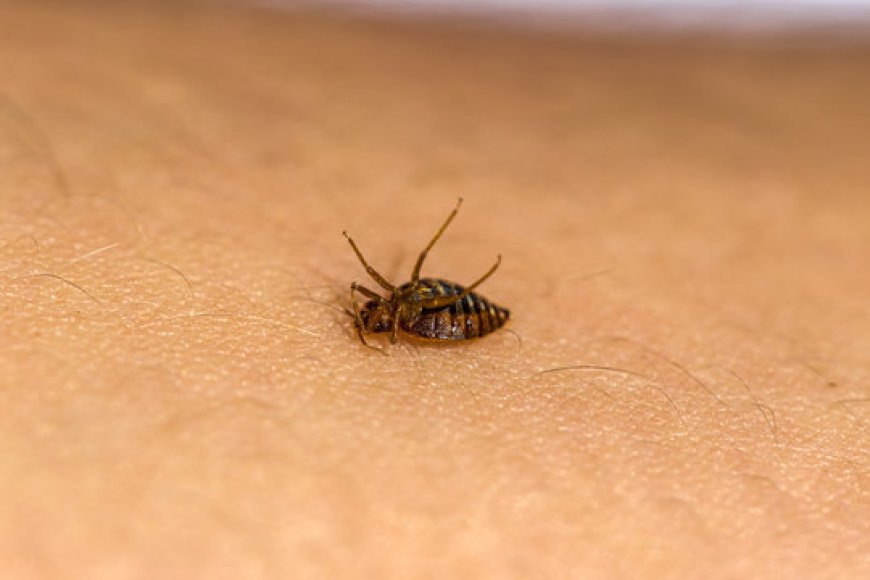
Dead bed bug shells, also called exuviae or casings, are the exoskeletons left behind when bed bugs molt as they mature. Bed bugs go through five nymph stages before reaching adulthood. After each stage, they shed their outer layer to growleaving behind a translucent or yellow-brown shell shaped exactly like the bug itself.
These shells dont decay quickly, so they can accumulate in cracks, mattress seams, baseboards, furniture joints, and other tight spaces where bed bugs hide. Many people first realize they have a bed bug problem when they discover these shells while cleaning or inspecting their sleeping area.
Why Are They Important?
Dead bed bug shells are important for several reasons:
-
Confirmation of Infestation: Even if you dont see live bed bugs, finding shells confirms that bed bugs have been present in your home. The more shells you find, the more advanced the infestation likely is.
-
Indication of Active Feeding: Each shell represents a mealbed bugs need a blood meal to molt. Therefore, if youre finding fresh shells, it likely means bed bugs are still feeding on you or your family.
-
Persistence of Allergens: Even after extermination, these shells can linger, triggering allergies or asthma in sensitive individuals due to bed bug proteins still present in the casings.
-
Insight into Bed Bug Movement: Shells scattered throughout multiple rooms can suggest how far the infestation has spread.
Where to Look for Dead Bed Bug Shells
Bed bugs are experts at hiding, so their shells can show up in surprising places. Here are common spots to check:
-
Mattress seams and tufts
-
Box springs
-
Bed frames and headboards
-
Behind baseboards
-
Cracks in walls or floors
-
Upholstered furniture
-
Inside drawers or nightstands
-
Around electrical outlets
Using a flashlight and magnifying glass can make it easier to spot them, as shells can be very small (14 mm long) and blend in with light-colored surfaces.
How Are Dead Bed Bug Shells Different from Live Bed Bugs or Fecal Spots?
Understanding what youre seeing is key to identifying an infestation correctly. Heres how shells compare:
-
Dead bed bug shells: Hollow, dry, and typically light yellow to brown. They keep the bed bug shape but are fragile.
-
Live bed bugs: Moving insects, reddish-brown in color, with flat, oval bodies.
-
Fecal spots: Tiny black or dark brown smearsessentially dried blood digested by the bugs.
Each of these signs points to an infestation, but shells specifically indicate that bed bugs have been growing and feeding.
Why Dead Bed Bug Shells Can Still Be a Problem
You might think, If the bugs are gone, why should I care about their shells? Unfortunately, dead bed bug shells can cause ongoing issues:
-
Health risks: Shells can contain allergens that trigger asthma or skin reactions in some people.
-
False sense of security: If you find old shells but dont see live bugs, you might think the problem is overyet bed bugs can go months without feeding and hide deep in walls or furniture.
-
Resurgence risk: If you only remove shells but dont treat the infestation, surviving bed bugs will continue breeding, and soon youll face a worse problem.
The Connection Between Dead Bed Bug Shells and the Bed Bug Life Cycle
Bed bugs undergo a simple metamorphosis: egg ? nymph (5 molts) ? adult. At each nymph stage, they shed their exoskeleton, leaving behind a shell. If you see shells of various sizes, it suggests that multiple generations of bed bugs have been feeding and growing in your home.
In other words, dead shells are a timeline of your infestations progression.
How Dead Bed Bug Shells Affect Allergies and Health
Even when bed bugs are no longer active, their shells can continue to cause trouble:
-
Allergens: Proteins left behind in shells can linger in carpets, bedding, and furniture, leading to allergic reactions such as sneezing, itchy eyes, skin rashes, and asthma flare-ups.
-
Contamination: Shells can mix with household dust, spreading allergens to other rooms via HVAC systems or cleaning tools like vacuums.
This makes thorough cleaning after treatment just as important as exterminating the bugs themselves.
How to Differentiate Between Old and Fresh Dead Bed Bug Shells
Understanding the age of shells can help determine if you have an active problem:
-
Fresh shells: More intact, flexible, and often accompanied by live bugs or recent bites.
-
Old shells: Brittle, dusty, sometimes discolored, and typically found without other active signs.
But caution: Bed bugs can hide for months without feeding, so old shells dont guarantee an infestation is over.
How to Eliminate Dead Bed Bug Shells
Once youve treated an infestation, removing shells is critical for health and peace of mind. Heres how to do it effectively:
-
Vacuum Thoroughly: Use a vacuum with a HEPA filter to clean mattresses, bed frames, floors, carpets, and furniture. Immediately empty the vacuum outside your home.
-
Steam Cleaning: High heat (over 120F) can kill any hidden bed bugs and loosen shells stuck in fabric or cracks.
-
Wipe Down Surfaces: Use a damp cloth with hot, soapy water on hard surfaces like bed frames, dressers, and baseboards.
-
Launder Fabrics: Wash bedding, curtains, and clothing in hot water (at least 130F) and dry on the highest setting.
-
Professional Cleaning: After a major infestation, professional cleaning services may be needed to fully remove allergens.
How to Prevent Future Infestations
Once youve cleaned up, prevention is key to avoiding another nightmare:
-
Encase mattresses and box springs in bed bug-proof covers.
-
Inspect secondhand furniture carefully before bringing it into your home.
-
Reduce clutter so bed bugs have fewer places to hide.
-
Seal cracks and crevices around baseboards, outlets, and furniture joints.
-
Be cautious when traveling, inspecting hotel beds and luggage before returning home.
When to Call a Professional
While DIY methods can help with cleaning, eradicating an infestation often requires professional intervention. If you continue to find fresh shells, see live bugs, or get new bites after treatment, its time to call a licensed pest control expert. A professional can provide comprehensive treatment plans, follow-up inspections, and guidance on long-term prevention.
The Role of the Bed Bug Exoskeleton in Bed Bug Control
Understanding thebed bug exoskeletonis essential for effective treatment. Since shells indicate where bed bugs molt and hide, pest control professionals use these clues to target insecticides or heat treatments to the most affected areas.
Insecticides often work best when applied where bed bugs congregate to molt. Heat treatments also destroy both live bugs and their shells, providing a double layer of protection against resurgence.
Myths About Dead Bed Bug Shells
Myth 1: Dead shells mean dead bugs.
Reality: Shells mean bed bugs were therebut they could still be alive and hiding.
Myth 2: Throwing away infested furniture solves the problem.
Reality: Bed bugs can hide in walls, floors, or other rooms; simply discarding furniture doesnt eliminate them.
Myth 3: You can ignore old shells.
Reality: Even old shells can trigger allergies, and they might signal a dormant infestation ready to return.
Key Takeaways
-
Dead bed bug shells are clear evidence of feeding and growth.
-
Shells can persist long after an infestation, posing health risks if not cleaned up.
-
Thorough cleaning, combined with professional treatment, is the only way to eliminate both live bugs and the allergenic threat of shells.
-
Prevention steps, like encasing mattresses and reducing clutter, can stop future infestations.
-
Always consult a professional if signs of bed bugs continue after treatment.
Conclusion
Dead bed bug shells are more than a gross reminder of past peststheyre a vital signal that can reveal the presence and severity of a bed bug infestation. By understanding what they mean, where to find them, and how to clean them up properly, you can take control of your home and protect your familys health.
Dont let these tiny shells lull you into a false sense of security. Stay vigilant, clean thoroughly, and work with professionals when needed to ensure your bedand your entire homeremains a safe, bed-bug-free haven.