



















Gabapentin for Seizure Control & Neuropathy: What Dose is Right?
Gabapentin 300 mg vs 800 mg: Learn the right dose for neuropathy and seizure control. Compare effectiveness, side effects, and best use cases in detail.

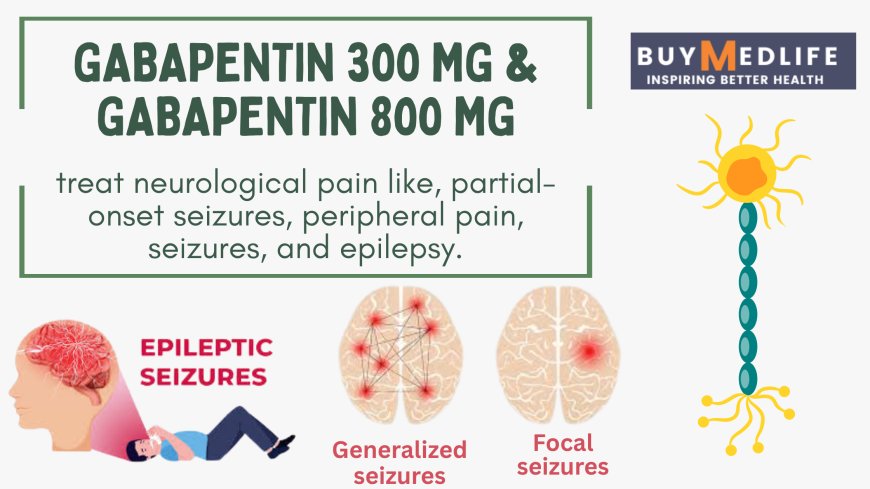
Gabapentin has become a widely prescribed medication for two major conditions: neuropathy (nerve pain) and epilepsy (seizure disorders). But when it comes to choosing the right dosewhether Gabapentin 300 mg or Gabapentin 800 mgmany patients are left wondering which is best for their specific needs.
In this blog, we'll explore what Gabapentin does, how different doses work, and how to determine the right strength for either nerve pain or seizure control.
What is Gabapentin?
Gabapentin is an anticonvulsant medication that was originally developed to treat epilepsy. Over time, it was also approved for treating neuropathic pain, which can be caused by conditions like diabetes, shingles, or spinal cord injuries.
Gabapentin works by altering nerve signals in the brain and spinal cord, which helps stabilize electrical activity in seizure disorders and soothe overactive nerves responsible for chronic pain.
Understanding Gabapentin 300 mg and 800 mg
Gabapentin comes in several strengths, but the 300 mg and 800 mg doses are among the most commonly prescribed. Here's how they compare:
Gabapentin 300 mg:
-
Often used as a starting dose
-
Commonly prescribed for mild to moderate neuropathic pain
-
May be part of a gradual titration process for epilepsy
-
Fewer side effects due to the lower strength
-
Typically taken 23 times a day
Gabapentin 800 mg:
-
Higher strength for moderate to severe cases
-
Often used once tolerance is established
-
Frequently prescribed for seizure control
-
Suitable for patients with chronic nerve pain unresponsive to lower doses
-
Usually part of a larger dosing regimen (e.g., 800 mg 3x daily)
Gabapentin for Neuropathy: Which Dose Works Best?
Neuropathic pain varies greatly from person to person. Some patients find relief with Gabapentin 300 mg, especially when nerve damage is mild or newly diagnosed. Others may need higher doses like Gabapentin 800 mg to achieve effective relief.
Doctors usually start with Gabapentin 300 mg once daily, increasing gradually to prevent side effects like dizziness, fatigue, and nausea. Over time, some patients may reach 800 mg per dose (up to 24003600 mg per day) depending on tolerance and effectiveness.
Tip: The key with Gabapentin for nerve pain is slow, consistent titration. Never jump directly to high doses without medical supervision.
Gabapentin for Seizure Control: Choosing the Right Dose
For epilepsy, dosing strategies are typically more aggressive. Gabapentin is often prescribed alongside other anti-seizure medications. The usual starting dose is 300 mg, then titrated up to 800 mg three times daily (2400 mg/day) or more, depending on the patient's seizure frequency and response.
Gabapentin 800 mg is commonly used as a maintenance dose in seizure therapy. However, because the drug doesnt interact significantly with other anti-seizure drugs, its often a safe and flexible option in complex treatment plans.
Factors That Influence Gabapentin Dosage
Choosing between Gabapentin 300 mg and 800 mg depends on several key factors:
-
Severity of symptoms (mild pain vs severe seizures)
-
Patient age and kidney function
-
Previous response to medications
-
Other drugs in use (to avoid interactions)
-
Tolerance to side effects
Always work with a healthcare provider to adjust the dose gradually. Gabapentin withdrawal can lead to rebound seizures or worsened nerve pain, so tapering is essential.
Potential Side Effects by Dose
-
Gabapentin 300 mg: Fewer side effects, but may be less effective for severe cases
-
Gabapentin 800 mg: More effective, but higher risk of dizziness, drowsiness, and coordination issues
Regardless of dose, common side effects include:
-
Fatigue
-
Swelling in hands or feet
-
Blurred vision
-
Mood changes (in rare cases)
Conclusion: Gabapentin 300 mg vs 800 mg
Both Gabapentin 300 mg and Gabapentin 800 mg are powerful tools for managing neuropathic pain and seizure disorders, but the right dose depends on your condition, symptom severity, and treatment response.
Start low and go slow is the guiding principleespecially for nerve pain. For epilepsy, higher doses are usually necessary to maintain seizure control. Always consult a doctor before changing doses or stopping medication.