


















LPG Gas Price in Pakistan – July 2025 Update
LPG Gas Price in Pakistan – July 2025 Update

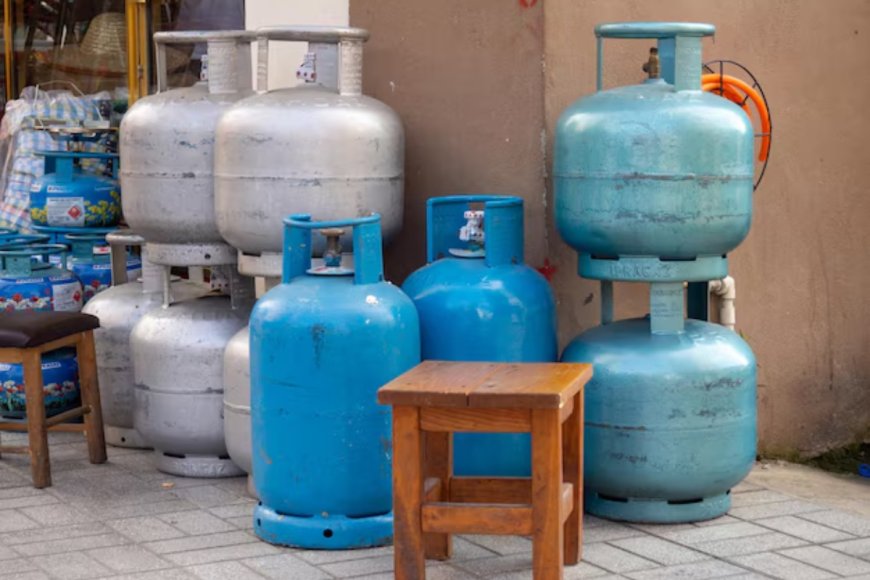
LPG, or Liquefied Petroleum Gas, is an essential fuel used in millions of Pakistani homes for cooking, heating, and small-scale commercial purposes. In rural areas where natural gas pipelines are unavailable, LPG serves as the primary energy source. As of July 2025, fluctuations in LPG gas prices have once again become a talking point, affecting both households and businesses across the country.
In this blog, we will discuss the latest LPG prices in Pakistan, explore why the prices are changing, how it affects consumers and industries, and what to expect in the coming months.
Current LPG Prices in Pakistan July 2025
As of July 2025, the official per kg LPG price in Pakistan is Rs. 233.10. This price is set by national regulatory authorities at the start of each month and serves as a benchmark for domestic and commercial use.
Breakdown of Prices:
-
Per kg (official rate): Rs. 233.10
-
Domestic Cylinder (11.8 kg): Rs. 2,750
-
Commercial Cylinder (45.4 kg): Rs. 10,580
These are official prices meant to provide affordability and regulation. However, market rates often differ, especially in areas where distribution costs are high or where access to regulated depots is limited.
Market Prices (Typical Retail Rates):
-
Per kg: Rs. 270 Rs. 320
-
Domestic Cylinder: Rs. 3,200 Rs. 3,800
-
Commercial Cylinder: Rs. 12,000 Rs. 14,500
Prices vary based on city, availability, delivery charges, and regional demand. Urban areas may see more stable rates, while remote areas may experience higher prices due to transport and storage costs.
Why Are LPG Prices Changing?
Several internal and external factors influence the price of LPG gas in Pakistan. Here's whats driving the market in July 2025:
1. Global Oil Market Trends
LPG is derived from crude oil refining. Changes in international oil prices directly impact the cost of LPG. In recent months, international oil markets have seen moderate volatility, resulting in price shifts in imported LPG shipments.
2. Currency Fluctuations
The Pakistani Rupees value against major currencies plays a significant role in determining import costs. A weak rupee makes imported fuel more expensive, which then affects local retail rates for LPG.
3. Transportation and Distribution Costs
LPG requires specialized transport through tankers and safety-equipped vehicles. Rising fuel costs, poor road infrastructure in rural areas, and increased labor charges contribute to higher delivery prices, especially in far-flung regions.
4. Seasonal Demand
In summer, the demand for LPG typically declines slightly, as households reduce heating usage. However, in July 2025, demand has remained stable due to increased cooking needs during the Eid season and ongoing load shedding in electricity, pushing people to use gas-based alternatives.
5. Tax and Regulatory Adjustments
Changes in import duties, regulatory levies, or gas development surcharges imposed by the government can cause retail prices to rise or fall. In July, a minor reduction in these duties has slightly lowered the official LPG rate compared to June.
Impact on Consumers
A. Domestic Users
The rising cost of LPG is hitting household budgets hard, especially for those relying solely on cylinders. An average household using one 11.8 kg cylinder per month is now spending around Rs. 3,200 to Rs. 3,800, a considerable burden for lower-income families.
B. Small Businesses
Tandoors, tea shops, dhabas, and small restaurants rely heavily on LPG for cooking. The rising cost forces many to either increase food prices or reduce margins, making it difficult to remain profitable.
C. Rural Areas
In villages and off-grid locations, LPG is the only source of cooking fuel. Due to long distances from urban supply centers, prices in these areas often cross Rs. 330 per kg, making it unaffordable for many households.
Impact on Commercial Sector
1. Hospitality Industry
Hotels and caterers using bulk cylinders are seeing increased operational costs. During festive seasons and wedding events, the demand for commercial LPG cylinders peaks, and so do the prices.
2. Industrial Use
Though industries largely depend on piped natural gas or electricity, smaller units in furniture, baking, and metalwork still use LPG for controlled heating. The price fluctuations impact their cost of production.
Governments Role and Price Monitoring
Regulatory authorities revise LPG prices monthly based on international market trends, currency valuation, and local supply-demand data. The aim is to keep prices stable while protecting consumer interests.
In July 2025, a small reduction in LPG prices was announced, which helped ease some pressure on consumers. However, due to poor implementation in remote areas and unchecked profiteering, many consumers still buy LPG at higher-than-official rates.
Authorities have instructed district-level teams to monitor illegal hoarding and overpricing. While this has led to a few crackdowns, much work is still needed to ensure fair pricing at the consumer level.
Tips for Consumers
-
Buy from Authorized Dealers: Always purchase cylinders from registered suppliers to ensure accurate quantity and safety.
-
Check Seals and Weight: Weigh cylinders at the point of delivery to avoid underfilled units.
-
Store Safely: Keep LPG cylinders in shaded, ventilated areas to prevent pressure build-up.
-
Report Overcharging: If you are charged more than the official price, file a complaint with local authorities.
-
Use Efficiently: Use pressure cookers, turn off burners promptly, and avoid excessive flame to conserve gas.
Future Price Outlook What to Expect
Looking ahead, LPG prices are expected to remain moderately stable, provided the following conditions are met:
-
International oil markets remain calm.
-
The rupee doesnt see sudden devaluation.
-
Local authorities enforce fair distribution and pricing.
However, if any major geopolitical event disrupts oil supply chains or if local taxes increase, LPG prices could see another spike. Consumers and businesses should stay updated and plan their usage accordingly.
Conclusion
LPG gas rates in Pakistan, yet its rising cost continues to put pressure on families and small enterprises. While the government has taken some steps to stabilize prices in July 2025, ground-level implementation remains a challenge.
With household budgets already strained by inflation, keeping LPG prices in check is essential for social and economic stability. Consumers are advised to remain informed, buy smartly, and report malpractices to ensure access to affordable and safe cooking fuel.