
















What is feshop?

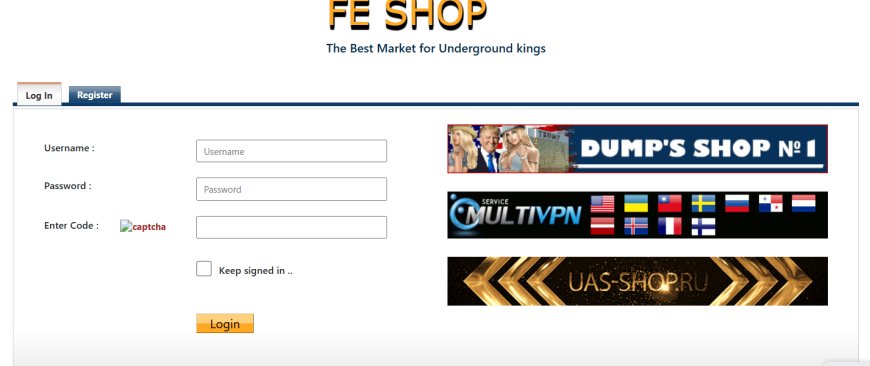
In the shadowy corners of the internet, beyond the reach of traditional search engines, exists an underground economy built on stolen identities and financial data. One of the most prominent marketplaces in this illicit economy is Feshopalso written as Fe-Shop or Fe Shop. Known as a hub for credit card fraud and identity theft, Feshop has become a key player in the world of cybercrime.
This article offers an in-depth look at what Feshop is, how it operates, what it sells, and the threats it poses to individuals, businesses, and global cybersecurity.
Feshop is a carding marketplace on the dark web where cybercriminals can buy and sell stolen credit card data, full identity records, and financial credentials. It operates on the Tor network, which is designed to preserve anonymity, making it difficult for law enforcement to trace users and operators.
feshop is not a new name in the cybercrime world. It has been around for several years and has gained a reputation for offering fresh datathat is, stolen information that is recent, accurate, and not yet reported or blocked.
What Does Feshop Sell?
feshop specializes in selling data used in financial fraud and identity theft. Common listings include:
1. CVVs
These are credit card records that typically include:
-
Card number
-
Expiration date
-
Cardholder name
-
Billing address
-
CVV (3-digit security code)
CVVs are mainly used for online purchases or to create fraudulent accounts.
2. Dumps
Dumps contain magnetic stripe data from physical cards, collected via skimming devices or malware attacks on point-of-sale (POS) systems. Criminals use dumps to create counterfeit cards, which can be used for in-store purchases or ATM withdrawals.
3. Fullz
Fullz is hacker slang for complete identity profiles. These data packages include:
-
Full name
-
Social Security Number (SSN)
-
Date of birth
-
Drivers license number
-
Email, phone number, and address
-
Bank account or login credentials
Fullz are valuable in more sophisticated fraud schemes such as opening loans, credit cards, or filing fraudulent tax returns.
4. Bank Logins and Online Accounts
Feshop also features login credentials for compromised online banking, crypto wallets, and payment services like PayPal. Buyers can use these accounts to steal funds or conduct laundering operations.
How Feshop Works
Feshop operates like a traditional online store but is built for illegal activity. Heres a typical user journey:
-
Access via Tor
To reach Feshop, users must download the Tor Browser and enter the marketplaces hidden.onionURL. -
Anonymous Registration
Users create accounts without providing any personal information. Pseudonyms are used, and email addresses are not required. -
Cryptocurrency Payments
Buyers deposit Bitcoin or Monero to fund their accounts. These coins are preferred for their anonymous and decentralized nature. -
Product Browsing
Users can browse data by type, country, card issuer, bank name, card class (e.g., Visa Platinum), or even by ZIP code. -
Instant Delivery
Once purchased, the stolen data is available for immediate download.
Feshop even features seller reputations, customer feedback, and support systems, mimicking the user experience of legitimate e-commerce platforms.
Is Feshop Legal?
No. Feshop is an illegal platform that deals in stolen data. It violates a wide range of international laws and regulations, including:
-
Identity theft statutes
-
Banking fraud laws
-
Data protection acts (e.g., GDPR, CCPA)
-
Cybercrime conventions
-
Anti-money laundering regulations
Accessing or using Feshopeven out of curiositycan carry severe criminal penalties, including arrest, imprisonment, and heavy fines.
Who Uses Feshop?
Feshops users are a mix of low-level fraudsters and organized cybercrime rings, including:
-
Carders: People who use stolen card data for unauthorized transactions
-
Identity thieves: Criminals seeking full profiles to impersonate victims
-
Resellers: Hackers who profit by buying bulk data and reselling it in smaller parts
-
Beginner criminals: Even those with little technical knowledge can use Feshop thanks to its simple interface
The platform's affordabilitysome CVVs are sold for as little as $5makes it especially dangerous.
Impact on Victims
Behind each listing on Feshop is a real victiman individual whose identity or financial data has been compromised. The consequences can be devastating:
-
Unauthorized credit card charges
-
Drained bank accounts
-
Loan fraud and bad credit
-
Emotional stress and loss of trust
-
Years of cleanup and credit repair
Businesses are also frequent victims, suffering chargeback fraud, data breaches, and loss of customer confidence.
How Feshop Evades Law Enforcement
Despite being a known entity, Feshop has survived numerous shutdown attempts. It uses:
-
Bulletproof hosting in foreign jurisdictions
-
Frequent URL and mirror changes
-
Encryption and anonymity tools
-
Decentralized operations
-
Cryptocurrency payment shielding
Even when law enforcement brings down a version of Feshop, it often reappears within days under a different address.
Whats Being Done to Stop It?
Fighting marketplaces like Feshop requires a global response. Efforts include:
-
Dark web monitoring by cybersecurity firms and agencies
-
Crypto tracing tools to follow the money
-
Sting operations and undercover agents
-
Better data breach detection and reporting
-
Public awareness campaigns on phishing, strong passwords, and personal data security
Previous takedowns like those of Jokers Stash and RaidForums have shown that these marketplaces are vulnerablebut persistent.
Conclusion
Feshop is a global threat that enables identity theft and financial fraud on a massive scale. Its sleek interface, anonymous access, and constant data supply make it one of the most dangerous marketplaces on the dark web.
Protecting yourself requires vigilance: use strong passwords, enable two-factor authentication, monitor your accounts, and stay educated about cyber risks. For businesses, investing in cybersecurity infrastructure, dark web monitoring, and employee training is no longer optionalit's essential.
Understanding platforms like Feshop is the first step toward dismantling them.