


















Choosing Between PVC and UPVC Ball Valves – What Industries Need to Know
Compare PVC vs UPVC ball valves to choose the right option for your industry. Learn about material differences, applications, durability, and cost to make an informed decision.

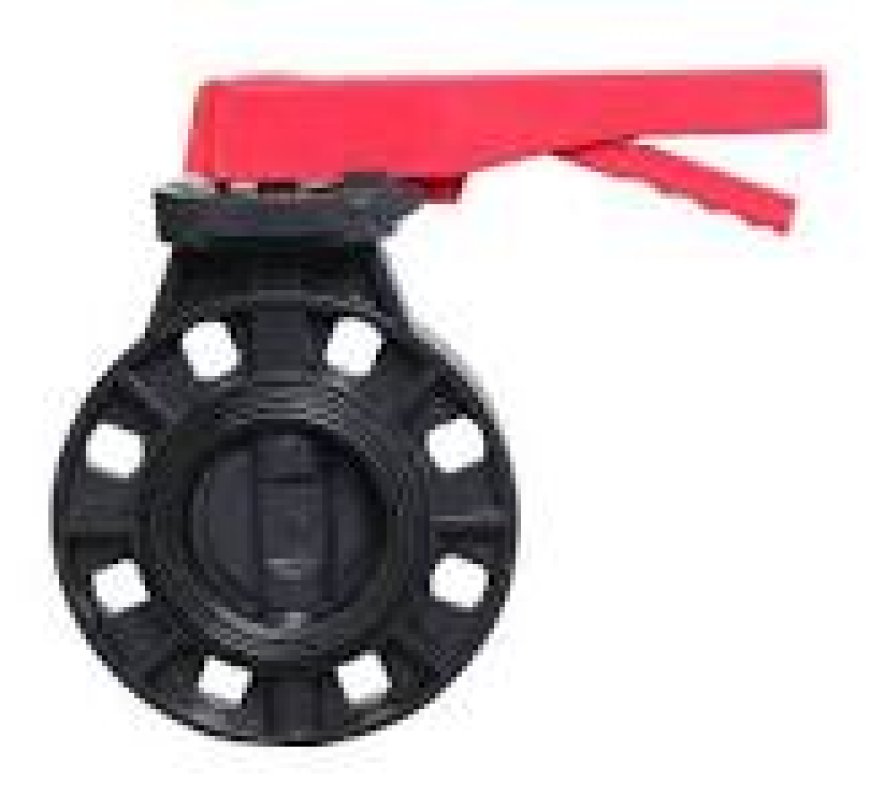
In industrial and commercial fluid handling systems, selecting the right valve is crucial for ensuring safe, efficient, and long-lasting operation. Among the most commonly used valves in piping systems are PVC (Polyvinyl Chloride) ball valves and UPVC (Unplasticized Polyvinyl Chloride) ball valves. While both types serve similar functions, there are key differences in material composition, performance, and applications that industries must consider before making a choice.
This article offers a detailed comparison of PVC vs. UPVC ball valves, highlighting their benefits, limitations, and suitability for various industries to help buyers make informed decisions.
Understanding PVC and UPVC Ball Valves
Both PVC and UPVC ball valves are widely used in industries for flow control applications. They operate on the same principle: a hollow, perforated ball rotates within the valve body to start or stop the flow of liquids or gases.
The key difference lies in the material:
PVC (Polyvinyl Chloride) contains plasticizers, which make the material flexible and slightly softer.
UPVC (Unplasticized Polyvinyl Chloride) is rigid, as it does not contain plasticizers, making it more durable and heat-resistant.
This fundamental difference in material properties affects how these valves perform under different conditions and in various industries.
What is a PVC Ball Valve?
A PVC ball valve is made from polyvinyl chloride with added plasticizers that give it flexibility and resilience. These valves are lightweight, affordable, and suitable for handling water and mild chemicals at low to moderate pressure and temperature.
PVC ball valves are commonly used in:
Residential plumbing
Irrigation systems
Swimming pools
Light-duty chemical applications
Their flexibility makes them easy to install and cost-effective for non-industrial or light industrial applications.
What is a UPVC Ball Valve?
A UPVC ball valve is made from rigid unplasticized polyvinyl chloride, which is stronger, more chemically resistant, and has better temperature tolerance compared to regular PVC. UPVC ball valves are also known for their long service life and minimal maintenance requirements.
UPVC ball valves are preferred in:
Industrial chemical plants
Water treatment facilities
Food and beverage industries
Aggressive chemical handling
These valves are designed for more demanding environments where durability and corrosion resistance are essential.
Key Differences Between PVC and UPVC Ball Valves
Material Strength and Durability
PVC ball valves are softer due to the presence of plasticizers, which makes them slightly more flexible but less durable under extreme conditions. UPVC ball valves, on the other hand, offer higher tensile strength, making them suitable for heavy-duty applications.
Temperature Resistance
UPVC ball valves can withstand higher temperatures compared to PVC. Typically, UPVC valves can operate in temperatures up to 60C (140F) or higher, whereas standard PVC valves may soften or deform at lower temperatures.
Chemical Resistance
UPVC has superior chemical resistance, making it ideal for handling acids, alkalis, and aggressive chemicals in industrial processes. While PVC valves can handle mild chemicals, they are not suited for highly corrosive substances.
Pressure Ratings
UPVC ball valves generally offer higher pressure ratings, making them more reliable in high-pressure systems. PVC ball valves are limited to low or moderate pressure applications.
Longevity
UPVC valves have a longer service life because of their rigidity, strength, and resistance to degradation. PVC valves may degrade faster, especially when exposed to UV radiation or harsh chemicals.
Cost
PVC ball valves are usually cheaper than UPVC ball valves. For applications where high strength and chemical resistance are not critical, PVC valves provide a cost-effective solution.
Advantages of PVC Ball Valves
Lightweight and easy to handle
Lower cost compared to UPVC
Sufficient for low-pressure, low-temperature applications
Quick and simple installation
Suitable for residential and commercial water supply
PVC ball valves are ideal where budget is a concern, and the environment is not too harsh.
Advantages of UPVC Ball Valves
Excellent chemical resistance
Higher temperature and pressure tolerance
Stronger and more durable construction
Low-maintenance and long service life
Suitable for industrial and heavy-duty applications
UPVC ball valves are recommended for industries that require reliable, long-term flow control in demanding environments.
Industries That Should Choose PVC Ball Valves
Residential Plumbing
PVC ball valves are perfect for home plumbing systems involving water supply and drainage where pressures are low and chemical exposure is minimal.
Agricultural Irrigation
Farmers use PVC ball valves in irrigation lines because they are affordable, lightweight, and easy to replace when needed.
Swimming Pools and Spa Systems
PVC valves handle pool water and low-level chemical dosing effectively at a low cost.
Aquariums and Water Features
PVC ball valves are used in aquarium filtration systems and decorative water features where durability is not a primary concern.
Industries That Should Choose UPVC Ball Valves
Chemical Processing Plants
UPVC valves can handle aggressive chemicals such as acids and solvents without degrading, making them essential in chemical processing environments.
Water Treatment and Desalination
UPVC ball valves resist corrosion from saline or treated water, ensuring long-term system integrity in water treatment facilities.
Pharmaceutical and Food Industries
UPVC offers a non-reactive material suitable for clean applications where contamination must be avoided.
Power Plants and Industrial Manufacturing
In power generation or manufacturing plants, where pressure and temperature fluctuations are common, UPVC ball valves provide reliable control.
Factors to Consider Before Choosing Between PVC and UPVC Ball Valves
Before selecting the right ball valve for your system, consider the following factors:
Type of fluid: Is it water, chemical, or corrosive media?
Operating pressure and temperature: Will the valve be exposed to high pressure or heat?
Installation environment: Is it indoor, outdoor, or in harsh conditions?
Frequency of use: Will the valve be operated frequently or remain static?
Budget constraints: Is cost a deciding factor, or is long-term durability more important?
Answering these questions will help determine whether a PVC ball valve or a UPVC ball valve is the right choice for your specific application.
Conclusion
Both PVC and UPVC ball valves play an essential role in controlling the flow of liquids and gases across various industries. While PVC ball valves are cost-effective and suitable for light-duty applications, UPVC ball valves are designed for more demanding environments where durability, chemical resistance, and low maintenance are required.
Choosing the right valve depends on the specific needs of the industry, the nature of the fluids, and the operational conditions. By understanding the differences between these two valve types, industries can make informed decisions that improve system performance, safety, and cost-efficiency over the long term.