


















How Long Does Doxycycline Take to Work?
Doxycycline begins working within hours, but the timeline for noticeable improvement varies depending on the condition being treated.
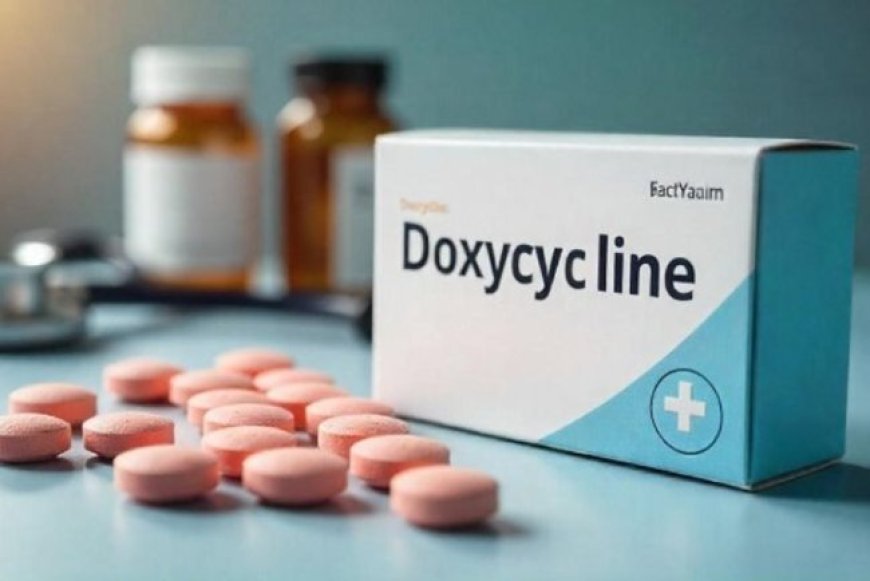
Doxycycline 100 Mg Buy Online is a broad-spectrum antibiotic that belongs to the tetracycline class. Its widely prescribed for treating bacterial infections ranging from respiratory infections and urinary tract infections (UTIs) to acne, rosacea, and even malaria prevention. One of the most common questions patients ask when starting doxycycline is:
How long does it take to work?
The answer depends on what condition you're treating, your overall health, and how your body responds to the medication. In this article, well explore doxycyclines onset of action, expected treatment timelines for different conditions, and how to tell if the antibiotic is working.
How Doxycycline Works
Doxycycline functions by inhibiting bacterial protein synthesis. It binds to the 30S ribosomal subunit of bacteria, blocking the production of essential proteins required for their growth and survival. This action is bacteriostatic, meaning it prevents bacteria from multiplying, allowing your immune system to eliminate the infection.
Because it targets a wide range of bacteria, doxycycline is prescribed for:
-
Respiratory infections (e.g., bronchitis, pneumonia)
-
Skin conditions (e.g., acne, rosacea)
-
Sexually transmitted infections (e.g., chlamydia, syphilis)
-
Lyme disease and tick-borne illnesses
-
Malaria prevention
-
Periodontal infections
When Does Doxycycline Start Working?
Doxycycline starts working within hours of the first dose, but noticeable improvement usually depends on the type and severity of the infection:
| Condition | Expected Improvement |
|---|---|
| Mild Respiratory Infections | 2472 hours |
| Urinary Tract Infections | 2448 hours |
| Skin Acne (Moderate) | 12 weeks for initial signs |
| Acne (Severe) | 612 weeks for full effect |
| Rosacea | 24 weeks |
| Chlamydia | 710 days |
| Lyme Disease | 4872 hours |
| Malaria Prevention | Taken before exposure; no "cure" time |
Lets explore each condition in more detail.
1. Respiratory Infections
Doxycycline is often prescribed for pneumonia, bronchitis, or sinus infections caused by bacteria. In these cases:
-
Onset of action: Within 2448 hours
-
Symptoms improve: Usually in 23 days
-
Duration of therapy: 714 days
If symptoms worsen or remain unchanged after 72 hours, consult your doctor as you may have a resistant infection or viral illness.
2. Urinary Tract Infections (UTIs)
For bacterial UTIs (especially those caused by E. coli), doxycycline can work quickly.
-
Symptom relief: Often within 12 days
-
Full course: Typically 7 days
Always complete the full course, even if symptoms resolve early, to prevent recurrence.
3. Acne Treatment
Doxycycline is a first-line oral antibiotic for moderate to severe acne due to its anti-inflammatory and antibacterial properties against Cutibacterium acnes (formerly Propionibacterium acnes).
-
Initial improvement: 12 weeks
-
Significant reduction: 612 weeks
-
Duration of therapy: Often 36 months under dermatological supervision
Because acne is a chronic inflammatory condition, results are gradual. Combining doxycycline with topical retinoids or benzoyl peroxide often enhances results.
4. Rosacea
Rosacea is a skin condition characterized by facial redness, visible blood vessels, and sometimes acne-like bumps. Doxycycline is used in low, anti-inflammatory doses (e.g., 40mg daily).
-
Visible changes: 24 weeks
-
Best results: After 68 weeks
-
Long-term use: May be required to maintain remission
Sub-antimicrobial dosing minimizes the risk of antibiotic resistance while controlling inflammation.
5. Sexually Transmitted Infections (STIs)
Doxycycline is highly effective against chlamydia, syphilis (in some cases), and ureaplasma.
-
Chlamydia treatment: 100 mg twice daily for 7 days
-
Symptom relief: Within 57 days, often sooner
-
Partner treatment: Essential to prevent reinfection
Even if symptoms improve quickly, always finish the full 7-day course for proper bacterial eradication.
6. Lyme Disease and Tick-Borne Illnesses
Doxycycline is a front-line therapy for early Lyme disease, Rocky Mountain spotted fever, and ehrlichiosis.
-
Symptom relief: Within 4872 hours
-
Duration: Typically 1021 days, depending on severity
Delaying treatment can lead to neurological or cardiac complications, so early administration is crucial.
7. Malaria Prevention
Doxycycline is used prophylactically to prevent malaria:
-
Begin 12 days before travel
-
Continue daily during stay in endemic region
-
7 days after leaving the area
Its not used to treat malaria unless no alternatives are available. It does not "work" in the traditional sense, as its intended to prevent infection.
Signs That Doxycycline Is Working
-
Fever subsides
-
Pain or discomfort reduces
-
Skin lesions begin to dry and heal
-
Inflammation decreases
-
Discharge, redness, or other infection symptoms improve
You should begin noticing improvement within the first 4872 hours for bacterial infections. Acne and rosacea take longer and require patience.
When to Call Your Doctor
If you experience any of the following, you should seek medical advice:
-
No improvement after 72 hours for infection-based conditions
-
Worsening symptoms or new symptoms
-
Severe gastrointestinal upset
-
Allergic reaction: rash, itching, swelling, difficulty breathing
-
Yellowing of the skin or eyes (sign of liver issues)
Tips to Help Doxycycline Work Effectively
-
Take with a full glass of water to avoid irritation of the esophagus.
-
Avoid taking it with dairy, antacids, or iron supplements within 2 hours.
-
Take exactly as prescribeddo not skip doses.
-
Protect your skin from sun exposure, as doxycycline increases sensitivity.
-
Complete the full course, even if you feel better early.
Conclusion
Doxycycline begins working within hours, but the timeline for noticeable improvement varies depending on the condition being treated. For most infections, you can expect relief in 1 to 3 days, while skin conditions like acne or rosacea may take weeks to months to show full improvement.
Always follow your doctors instructions closely, and be patient with chronic conditions. Doxycycline is highly effective when used correctlyand with time, you should experience meaningful, lasting relief.