

















How To Find The Most Vibrant Wildlife On the Annapurna Sanctuary Trek
Learn how to spot vibrant wildlife on the Annapurna Sanctuary Trek by visiting during peak seasons, hiring local guides, exploring varied habitats, and staying quiet. Discover the best times for sightings and tips to respect and safely observe animals for an unforgettable trekking experience.

How To Find The Most Vibrant Wildlife On the Annapurna Sanctuary Trek
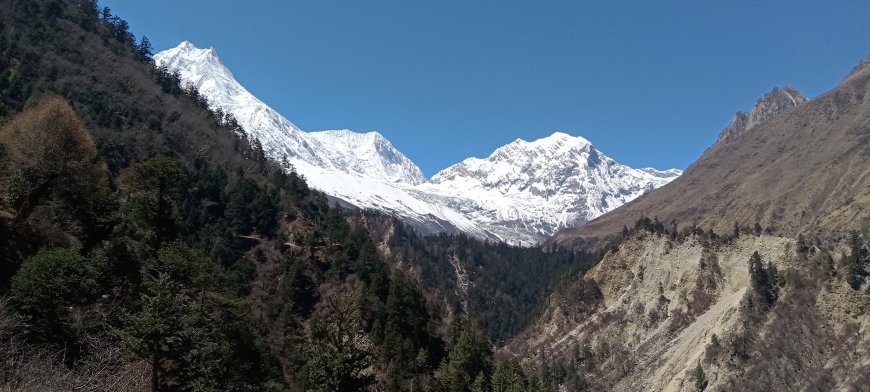
The landscape varies from terraced fields to thick greenery hugging the sides of the valley to thick forest and sawtooth snowcapped peaks. It's all about prep and being alert to get your spirit animals on this Annapurna Circuit Trek tour.
First, timing matters. The active season of wildlife is spring (March to May), autumn (September to November). It is the months when animals are more active, the weather is mild, and the vegetation is high. Stay away during the frigid winter months when most critters are hibernating or scurrying off to the lower forestlands.
Then, get going when morning dawns and late afternoon approaches. The wild things start stirring a little more around here at those cooler times of the day. The best time to view animals, including Himalayan Thar, musk deer, and a great many birds, is in the early morning or late afternoon.
Third, he said, be patient and travel quietly. A shy animal can be scared away by a quick move or noise. Try looking with binoculars for a more close-up view without distracting the bird. If the budget allows, a local guiding professional with experience can greatly improve your odds of seeing local wildlife as well as their habits and habitat.
Visit diverse habitats on foot in the Franciscana Sanctuary, from dense rhododendron woods to large open areas covered by alpine meadows.
Finally, respect the environment. Don't feed the animals or wander off marked trails to reduce our impact as a species. Tread softly, and watch well, you'll have better chances at witnessing some of the many intoxicating Wildlife, which will make Annapurna Sanctuary Trek a lifetime memory.
Look up the best time of year to spot wildlife.
When you go is important if you want to see wildlife. The ideal time of year in the Annapurna Sanctuary to witness the vigorous life of living organisms is spring (March to May) and autumn (September to November). The weather is agreeable, food is plentiful, and many animals are out and about more. Alternatively, during severe winters, many species may hibernate or move down to lower altitudes. Before you plan to visit, a simple knowledge of the seasons our four-legged friends visit these parts is important, so you can plan your safari to suit you and the kind of wildlife experiences youre looking to get out of it.
Employ a local guide who is experienced and familiar with animals.
A local guide who knows the flora and fauna of the Annapurna Sanctuary can add a whole new dimension to your wildlife experience. Good guides know where to look, what certain animals like to do, and how to approach wildlife without causing any or much disruption. Their perspectives can help you find hard-to-find species, interpret animal signals, and offer interesting updates on the ecosystem. With the help of an expert guide, it becomes as likely as possible that youll see rare or reclusive wildlife and that your trek feels, at least as much as possible, like a respectful learning experience.
Begin hiking early in the morning or late in the afternoon.
The birdlife is a bit more exciting in the cooler parts of the day - early morning and late afternoon in the Annapurna Sanctuary. Start from these hours since its a good chance to see musk deer, pheasant, and langur monkeys. These time slots forestall the midday heat when many animals are resting or otherwise keeping a low profile. You are in rhythm with their activity cycles and savor the sanctuarys teeming wildlife at its best in cooler conditions for trekking.
Explore new habitats: forest, meadow, and riverside.
A variety of fauna, Annapurna Refuge is home to different animals. The thick rhododendron and oak jungles are home to a variety of birds and animals, including pheasants and deer, while alpine meadows offer, well, sightings of mountain goats and butterflies. Riversides are a magnet for bird species and smaller animals. As you traverse through the sanctuary, visiting numerous ecosystems, you stand an even higher chance of spotting different wildlife. This variety of life makes the hike incredibly diverse and just a treat for nature lovers.
Dont be loud, sudden, or make any noise like rattling keys.
Its crucial to keep sound and sudden movements to a minimum when on wildlife hikes. Vermin have little consideration and are given to weaken and run if they think that danger threatens. This helps prevent wildlife from being scared away from you, so you can see them as they naturally behave. No shouting, rustling of bushes, or jerking movements. Chill out and allow patience to give you the greatest chance for face-to-faces and a most natural and quiet experience in the tranquil safe haven of the Annapurna.
Take binoculars to keep an eye on animals and birds from a distance.
Binoculars can be used for bird watching on the Annapurna Sanctuary trek. And many creatures are shy or stay at some remove, out of view to the naked eye. 8. A good pair of binoculars. Want to watch the agate hunters without scaring away the wildlife? They make it easier to pick out birds in the tree canopy or mammals feeding on distant hillsides. Whether hiking with a tent and provisions, you can not only bring the abundant sanctuary fauna into clearer focus, but also take it home with you.
Discover the native flora and fauna.
Meet the local wildlife as you hike through the Annapurna Sanctuary. Getting to know the kind of animals and birds you will encounter will help you spot them when you travel. This consciousness also deepens your trail etiquette and environmental balance knowledge. Prepare by reading guidebooks, watching documentaries, and talking to local experts. Once you can recognize the tracks of animals, their call, and behaviour, the trail offers an even more stimulating experience.
Please don't get too close to wildlife and make sure to give them plenty of room to move around!
Conservati: on The Responsible Thing to Respect wildlife is a key factor in a responsible trek in the Annapurna Sanctuary. Never get too close to cause stress or become menacing to animals. Never try to feed them or handle them. If approached too closely, it can disrupt their natural behavior, and it can be dangerous. You can help both yourself and the animals closest to you by watching animals from a distance so their home is not disturbed. Being a responsible wildlife viewer contributes to the protection of the sanctuary's biodiversity and ensures its beauty is left intact for subsequent visitors.
Tour the conservation area as well as the national park in the sanctuary.
A handful of conservation areas and national parks protect the area's incredible biodiversity within the Annpurana Sanctuary. Visits to those conservation areas also help on-the-ground efforts to conserve wildlife and habitats. Such areas often offer better wildlife-watching infrastructure and qualified staff to give guided tours. PHP Ruining park and staying on established trails helps to save fragile ecosystems. Can being a part of conservation make your trek and help save the sanctuarys bounty of natural resources?
Have a notepad or camera ready to take note of or photograph sightings.
DOCUMENT YOUR WILD ENCOUNTERS Videoing your wildlife encounters adds a whole new level to your trekking experience and ensures memories last forever. A wildlife journal is good to store the species youve seen and the things youve noticed, as well as your own emotions and thoughts. And the zoo in your pocket is with you constantly: Its as easy to study a great photo of a grizzly bear as it is to view a grizzly at the zoo or in the wild. Camera: A camera is especially helpful, particularly if you use a zoom lens! (And remember, if an animal flies or runs away, the bird or animal gets nothing from you but a satisfying feeling of freedom.) Taking pictures also helps you learn and share your sightings. As long as it's fun or adds to citizen science, recording deepens the reader's engagement with the Sanctuary's animated fauna.
Where is the best viewpoint for the Annapurna Circuit?
The incredible vantage point on the Annapurna Circuit is the Thorong La Pass (5,416m). Higher up, trekkers can enjoy the sweeping panoramic views of the Annapurna and Dhaulagiri ranges. There are plenty of other fantastic vantage points like the one on Poon Hill (known for its breathtaking sunrises) or Muktinath with its unique scenery. Theres gorgeous mountain scenery that greets you at different sections of the circuit.
Which is harder, EBC or ABC?
The Everest Base Camp (EBC) trek is typically said to be harder as compared to Annapurna Base Camp (ABC) trek. EBC is also longer, higher (5,364m at base camp), and tougher going with its colder and windier conditions. ABC is lower and shorter (base camp is at 4,130 meters), so easier for a modest fitness hiker. They both require good physical conditioning; however, EBC is more physically demanding.
What are the mountains that can be seen from Annapurna Base Camp?
Annapurna Base Camp offers trekkers a multitude of opportunities to witness the surrounding peaks, such as Annapurna I (8,091 m), Annapurna South, Hiunchuli, Machapuchare (Fishtail Peak), and Gangapurna. These towering giants will take your breath away, especially at sunrise and sunset, so its a very visually rewarding trek to ABC.
What is the fatality rate of the Annapurna Base Camp Trek?
Even so, the mortality rate for the Annapurna Base Camp Trek is relatively low but non-zero, and there are a few scattered trip deaths associated with altitude sickness, accidents, or medical conditions. Numbers vary, depending on the official year thats taken into account, but the Annapurna region is generally regarded as one of the safer trekking regions in Nepal when trekkers come properly equipped, take time to acclimatize, and stay on main trails. Its essential to hike with experienced guides and to have strong insurance.