



















HVO Fuel Suppliers: Driving Sustainable Energy Solutions for Agriculture and Beyond
As the global demand for sustainable energy solutions continues to rise, Hydrotreated Vegetable Oil (HVO) has emerged as a leading renewable fuel alternative to traditional diesel. HVO fuel suppliers play a crucial role in delivering this cleaner, more efficient fuel to industries such as agriculture, transportation, and construction. These suppliers are helping businesses reduce their carbon footprints while maintaining performance and reliability.
What is HVO Fuel?
HVO fuel is a renewable diesel produced by hydrogenating vegetable oils or animal fats, converting them into a hydrocarbon fuel chemically similar to fossil diesel. It offers numerous advantages, including significantly lower greenhouse gas emissionsup to 90% less than conventional dieselexcellent cold weather performance, and compatibility with existing diesel engines without modification.
The Role of HVO Fuel Suppliers
HVO fuel suppliers act as the bridge between producers of renewable diesel and the end-users who rely on this fuel to power their machinery, vehicles, and equipment. Their role goes beyond simple fuel delivery; they provide expertise on fuel quality, storage, and compliance with environmental regulations.
Key responsibilities of HVO fuel suppliers include:
-
Reliable Supply and Delivery: Ensuring timely and efficient delivery of HVO fuel to farms, fleets, and industrial sites, often in bulk quantities.
-
Fuel Quality Assurance: Guaranteeing that the HVO fuel supplied meets industry standards and is free from contaminants that could damage engines.
-
Customer Support and Education: Helping clients understand the benefits and proper usage of HVO fuel, including its storage requirements and environmental advantages.
-
Regulatory Compliance: Assisting customers in navigating tax incentives, subsidies, and environmental regulations linked to renewable fuels.
Importance for Agriculture and Other Sectors
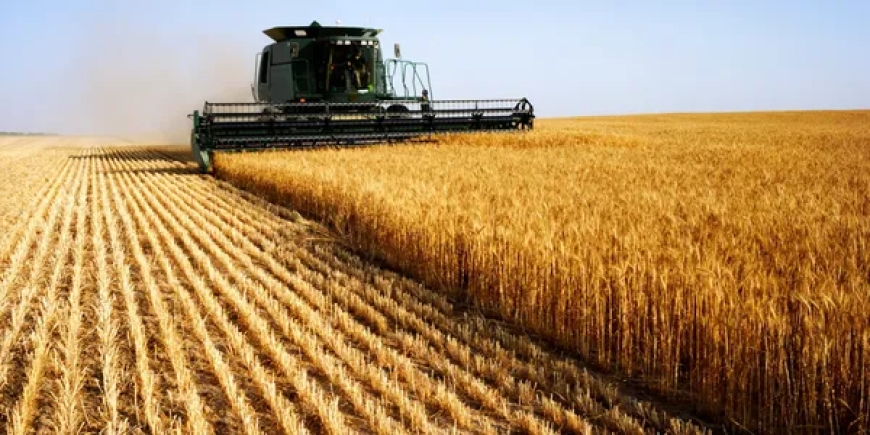
For the agricultural sector, HVO fuel suppliers are vital in enabling farmers to switch to cleaner fuels without compromising machinery performance. Because HVO is a drop-in fuel, it requires no engine modifications, making it an attractive option for reducing emissions from tractors, combines, irrigation pumps, and heating systems.
Beyond agriculture, HVO suppliers serve public transportation companies, logistics providers, and construction firms, sectors under increasing pressure to adopt greener fuels.
Challenges Faced by HVO Fuel Suppliers
Despite its benefits, the supply chain for HVO fuel faces challenges:
-
Feedstock Availability: HVO production depends on sustainable vegetable oils or animal fats, and limited feedstock can constrain supply.
-
Cost Factors: HVO is often more expensive than fossil diesel due to production complexity and feedstock costs.
-
Infrastructure: Not all fuel distribution networks are equipped to handle renewable diesel, requiring investment in storage and delivery systems.
HVO fuel suppliers often work closely with producers, distributors, and customers to overcome these challenges and expand market access.
The Future of HVO Fuel Supply
The outlook for HVO fuel suppliers is promising. Increasing government incentives for renewable energy, growing corporate commitments to carbon reduction, and advances in feedstock sourcing are driving demand. Suppliers are expanding infrastructure, investing in logistics technology, and broadening their service offerings to meet the needs of a diverse and growing customer base.
Conclusion
HVO fuel suppliers are essential players in the transition toward a sustainable energy future. By providing high-quality, renewable diesel fuel along with expert support and reliable delivery, they empower industries like agriculture to reduce emissions and operate more sustainably. As environmental regulations tighten and demand for green fuels grows, HVO fuel suppliers will continue to play a pivotal role in powering cleaner, more efficient operations worldwide.