



















Japanese Bridge in Vietnam: Hidden Sword Legend, Cultural Secrets & Phu Quoc Experiences 2025
Uncover the fascinating history and hidden legends of the Japanese Bridge in Vietnam, Hoi An’s most iconic symbol. This guide reveals the unique blend of cultures, the mysterious sword secret, and the spiritual significance behind the bridge. Plus, dive into the vibrant world of Phu Quoc in Vietnam, exploring its pristine beaches, cultural experiences, and must-do activities for your next trip to Vietnam.

:max_bytes(150000):strip_icc()/GettyImages-459301061-57b6d0de3df78c876340214e.jpg)
Vietnam is a country where every ancient street, riverside, and island whispers stories of the past. Among its many treasures, theJapanese Covered Bridge in Vietnam stands out as a symbol of connection, mystery, and harmony. Nestled in the heart of Hoi Ans old town, this bridge is not just a beautiful architectural marvel but a living testament to centuries of cultural exchange and legend.
After four lines, its time to dive into the secrets and stories of the Japanese Covered Bridge in Vietnam. If youre planning a trip to Vietnam, make sure this enchanting landmark is on your itinerarynot just for its beauty, but for the hidden tales and spiritual energy it holds.
The Japanese Bridge in Vietnam: A Blend of Cultures and Legends
A Bridge That Connects Worlds
The Japanese Bridge, known locally as Cha C?u or Lai Vi?n Ki?u, was built in the late 16th century by Japanese merchants. Its purpose was more than practicalit was a gesture of goodwill and friendship, linking the Japanese and Chinese quarters of Hoi An. Over the centuries, the bridge has become a symbol of unity, blending Vietnamese, Japanese, and Chinese architectural elements into a harmonious whole.
Architectural Marvel
Constructed entirely of wood and adorned with vibrant red and gold hues, the Japanese Bridge features a gently curved roof and a small shrine at its center. The shrine is dedicated to B?c ?? Tr?n V, an ancient deity believed to protect Hoi An from floods and misfortune. The bridges unique design, with its ornate carvings and dragon motifs, reflects the spiritual beliefs and artistic sensibilities of the communities that built it.
The Hidden Sword Secret and Spiritual Mystique
What truly sets the Japanese Bridge apart is its legendary connection to ancient spiritual practices and hidden protection measures. According to local folklore, Hoi An was once plagued by a mythical water monster whose violent movements caused floods and threatened the prosperity of the town. To counter this, the bridge was constructed at a strategic point, believed to be the back of the beast, with the intention of subduing its power.
Beneath the bridge and nearby, researchers discovered a mysterious talisman stelean engraved stone believed to hold spells and Buddhist mantras. These inscriptions, invoking the power of the earth to overcome water, were meant to suppress the monster and ensure the safety of Hoi Ans people and merchants. The legend of a hidden sword, or spiritual seal, placed within the bridge, adds another layer of intrigue, symbolizing the bridges role as both a physical and metaphysical protector of the town.
A Place of Living History
Today, the Japanese Bridge is more than a tourist attraction. It is a living relic, a place where locals and visitors alike pause to reflect, take in the tranquil views of the Hoai River, and feel the weight of centuries beneath their feet. By day, the bridge is a photographers dream, while at night, lanterns cast a magical glow, making it an unforgettable stop on any journey through Vietnam.
Visiting the Japanese Bridge: Practical Tips

-
Location:The bridge sits at the heart of Hoi Ans old quarter, between Tran Phu Street and Nguyen Thi Minh Khai Street.
-
Opening Hours:Typically open from morning until late evening, with the most atmospheric moments at dusk when lanterns light up the town.
-
Entry:Free to walk across, though some nearby heritage sites may have a small fee.
-
Best Time to Visit:Early morning or late evening for fewer crowds and the best light for photos.
-
Nearby Attractions:Dont miss Tan Ky Old House, Hoi An Market, and the riverside lantern festival for a full immersion in the towns heritage.
Phu Quoc in Vietnam: The Island of Culture, Nature, and Adventure
While the Japanese Bridge offers a window into Vietnams ancient soul, Phu Quoc in Vietnam is a vibrant showcase of the countrys natural beauty and modern spirit. This island paradise, just off the southern coast, is a must for anyone looking to blend relaxation, adventure, and cultural discovery on their trip to Vietnam.
Beaches and Nature
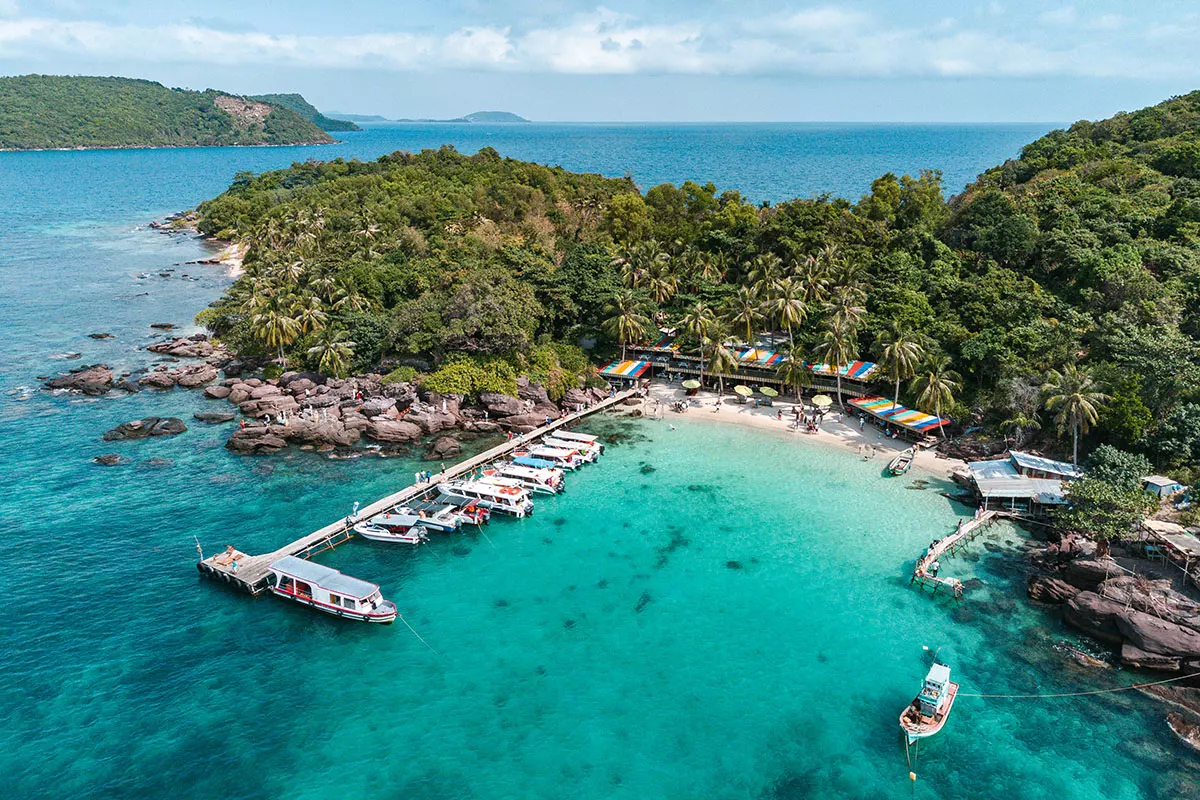
Phu Quoc is famed for its endless coastline, powdery white sands, and turquoise waters. Khem Beach and Long Beach are perfect for swimming, sunbathing, and sunset strolls. For those craving adventure, kayaking at Ong Lang Beach or snorkeling around Doi Moi Island unveils a world of coral reefs and tropical fish.
Phu Quoc National Park, covering much of the island, is a haven for trekkers and wildlife lovers. Dense rainforests, hidden waterfalls, and rare species await explorers willing to step off the beaten path.
Culture and Local Life
Beyond its natural wonders, Phu Quoc is rich in culture. Visit Ham Ninh Fishing Village for a taste of traditional island life and sample the freshest seafood at floating restaurants. Tour a fish sauce factory to learn about the islands most famous export, or wander through local markets packed with spices, crafts, and friendly faces.
Temples like Cao Dai offer a glimpse into Vietnams unique spiritual tapestry, blending elements from many world religions. History buffs will find Cay Dua prison and other heritage sites revealing the islands complex past.
Entertainment and Adventure
Phu Quoc is also home to world-class attractions like VinWonders, Southeast Asias largest theme park, and Vinpearl Safari, Vietnams first semi-wildlife conservation area. Whether youre traveling with family, friends, or solo, theres no shortage of fun and excitement.
When to Visit Phu Quoc
The island enjoys warm, tropical weather year-round. The dry season from October to March is ideal for beach lovers, while the rainy season (July to October) brings lush greenery and cooler temperaturesperfect for nature enthusiasts.
Sample Itinerary: Hoi An to Phu Quoc
Day 1-2:Explore Hoi Ans old town, including the Japanese Bridge, Tan Ky Old House, and riverside lantern festival.
Day 3:Fly or travel south to Phu Quoc.
Day 4-5:Relax on Khem Beach, kayak at Ong Lang, and snorkel at Doi Moi Island.
Day 6:Visit Ham Ninh Fishing Village, tour a fish sauce factory, and explore local markets.
Day 7:Trek through Phu Quoc National Park or enjoy the thrills at VinWonders and Vinpearl Safari.
Final Thoughts
The Japanese Bridge in Vietnam is more than an architectural wonderits a living symbol of unity, mystery, and spiritual strength. Its hidden sword secret and legendary protection make it a must-see for any traveler on a trip to Vietnam. Pair this with the vibrant energy and natural beauty of Phu Quoc in Vietnam, and you have a journey that spans the full spectrum of Vietnamese culture, history, and adventure. Whether youre a history buff, a beach lover, or a seeker of legends, Vietnams treasures are waiting for you in 2025.