
















Are Organic Drumstick Seeds the Future of Sustainable Agriculture?
how organic drumstick seeds promote sustainable agriculture with their climate resilience, soil enrichment, biodiversity benefits, and economic potential. Learn why they are ideal for farmers seeking eco-friendly, profitable crop options.

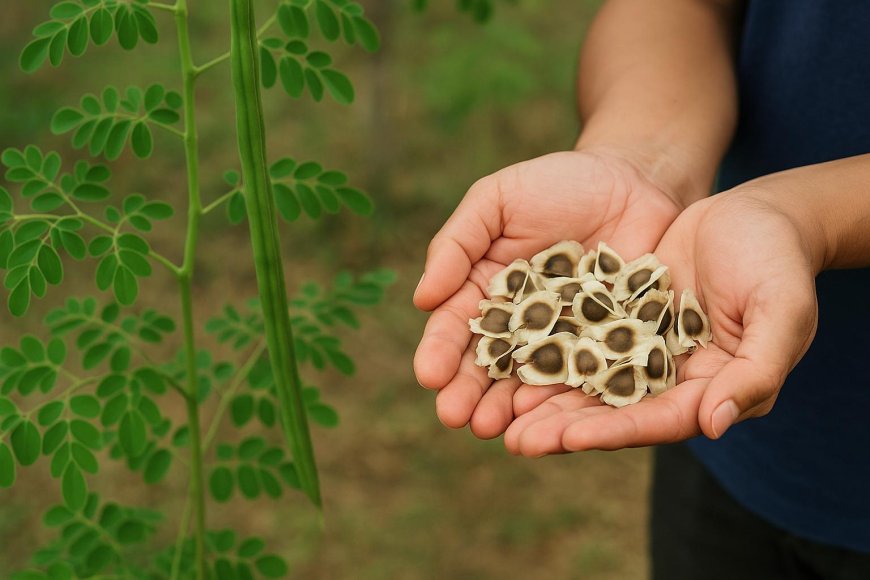
In the evolving landscape of global agriculture, few crops have stirred as much interest among sustainable farming enthusiasts as the drumstick tree, commonly known as moringa. Valued for its nutrient-rich leaves, pods, and seeds, moringa has long been a staple in traditional farming systems. But what makes organic drumstick seeds particularly compelling for the future of sustainable agriculture?
Beyond being a highly adaptable plant, moringa offers a potent combination of resilience, nutritional value, and low-input cultivation. This trifecta aligns perfectly with the goals of sustainable agriculture worldwide. As farming faces increasing pressure from climate change, soil degradation, and food security demands, the humble drumstick tree is stepping into a new spotlight.
The Unique Agricultural Value of Drumstick Seeds
Drumstick trees are drought-resistant, fast-growing, and capable of thriving in poor soil conditions. Their ability to fix nitrogen in the soil improves fertility for surrounding crops, making them a valuable component in agroforestry and intercropping systems.
Organic drumstick seeds are bred and cultivated without synthetic fertilisers, pesticides, or genetically modified organisms, promoting biodiversity and soil health. Unlike hybrid seeds that may offer uniformity at the cost of resilience, organic seeds often maintain genetic diversity, a key factor in adapting to local environmental conditions.
-
They enrich the soil naturally, reducing dependency on chemical inputs.
-
Their deep root systems help prevent soil erosion and improve water retention.
For farmers seeking reliable options to enhance sustainable crop production, choosing to buy SK Organic ODC Moringa Seeds could offer a balanced approach to yield and ecological responsibility. These seeds are known for their adaptability and superior growth in organic farming systems.
The Nutritional and Economic Edge of Moringa in Sustainable Farming
Moringa isnt just a hardy cropits a nutritional powerhouse. The leaves contain high levels of protein, vitamins A and C, calcium, potassium, and essential amino acids. This makes moringa not only a marketable commodity but also a critical food source for regions facing nutritional deficiencies.
The demand for items made from moringa, such as cold-pressed seed oil and supplements made from leaf powder, is gradually increasing in international markets. Industry projections predict that by 2030, the moringa market will have grown to a value of over USD 8 billion, a reflection of its growing appeal among health-conscious consumers.
A unique combination in agricultural economics, farmers who tap into this market profit from both community health and economic resiliency.
Including multipurpose crops like moringa in farming systems greatly aids in agroecological transitions and sustainable livelihoods, as the FAO's Agroecology Knowledge Hub points out.
Debunking the Myth: Organic Farming Means Lower Yields
One common misconception about organic farming is that it always results in poorer yields. Although switching from conventional to organic farming methods can be difficult at first, crops like drumsticks demonstrate that sustainability and yield potential are not mutually contradictory.
As a result of better soil health, less pest pressure, and inherent disease resistance, organic moringa farming frequently produces yields that are on par with or even better than those over time. According to studies, organically produced moringa trees in tropical and semi-arid areas consistently produce pods with little input, which lowers agricultural expenses overall.
This guarantees long-term yield without depending on chemical-intensive farming, making organic drumstick growing a feasible choice even for smallholder farmers.
In the words of a sustainable farming advocate,
"Organic farming isnt about doing lessits about doing right with what nature provides."
Moringa perfectly embodies this philosophy with its self-sustaining growth patterns and symbiotic relationship with the environment.
Climate Adaptation and the Role of Moringa in Resilient Agriculture
One of the most pressing challenges in agriculture today is climate unpredictability. Extreme weather events, prolonged droughts, and shifting growing seasons are reshaping farming practices worldwide. Moringas resilience to harsh climatic conditions positions it as a crucial ally in building climate-resilient agricultural systems.
Compared to most traditional crops, drumstick trees need less water and can withstand high temperatures. In mixed agricultural systems, they can also enhance microclimates, decrease soil evaporation, and act as windbreaks.
In drought-prone areas, incorporating climate-resilient crops like moringa into farming systems may lower crop failure risk by as much as 40%, according to data from climate adaptation studies.
Information about how moringa fits into larger adaptive agricultural techniques intended to reduce climate risks while maintaining productivity can be found in resources like the Climate-Smart Agriculture Guide.
Addressing Biodiversity: The Unseen Benefit of Organic Drumstick Cultivation
A key component of sustainable agriculture is biodiversity. Agrobiodiversity has sharply declined as a result of monoculture practices, weakening ecosystems, and making pests more vulnerable.
Organic drumstick farming, particularly when combined with agroforestry practices, helps restore ecological balance by:
-
Providing habitat for beneficial insects and birds.
-
Enhancing pollinator activity is crucial for neighbouring crops.
Additionally, a variety of pollinators are drawn to moringa's blossoming patterns, promoting the health of the ecosystem as a whole. In agricultural areas, its leaves, blooms, and seeds all contribute to a multi-layered food web.
Increasing biodiversity through organic drumstick farming strengthens ecological resilience, a crucial but frequently disregarded aspect of sustainable agriculture.
Common Misconceptions About Organic Drumstick Seeds
There are a few persistent misconceptions worth addressing:
-
Organic drumstick seeds are hard to find or expensive.
With growing demand, access to certified organic seeds has expanded, and prices are increasingly competitive, particularly for bulk buyers or cooperatives.
-
They perform poorly compared to hybrids.
While hybrids may offer short-term yield gains, organic seeds are often hardier and better adapted to local conditions, resulting in stable long-term productivity.
-
Organic certification is not essential.
Certification ensures seed quality, genetic purity, and adherence to sustainable practices, making it an essential factor for serious organic farmers.
These misconceptions discourage farmers from adopting a sustainable crop that offers remarkable advantages when properly understood and managed.
Frequently Asked Questions
-
Can organic drumstick farming be profitable on a small scale?
Yes, particularly when integrated with direct-to-consumer sales or value-added products like moringa powder or oil. Many small farmers benefit from niche markets focused on organic and health-conscious consumers. -
Is there a specific climate needed for drumstick cultivation?
Moringa thrives in tropical and subtropical climates but is adaptable to a wide range of environments, provided there is adequate drainage and some warmth. -
How long does it take for drumstick trees to yield pods?
Generally, moringa trees begin to yield pods within 6 to 8 months after planting, with peak productivity reached in the second year. -
Do organic seeds need special care?
No special care is needed, but following organic farming principleslike using natural composts and pest managementis essential to support healthy growth.
The Changing Story: Why Moringa Seeds Are More Than Just a Crop
Selecting organic drumstick seeds is a step towards changing the agricultural narrative and goes beyond simply harvesting pods or leaves. These seeds represent a change in farming practices that prioritise long-term sustainability, ecological balance, and community well-being over immediate profits.
In addition to growing a crop, farmers who practice organic moringa cultivation are strengthening their communities, building resilience, and supporting a worldwide movement that prioritises people and the environment.
It would be more appropriate to ask why organic drumstick seeds wouldn't be the future of sustainable agriculture, rather than if they are. Those that use nature's resilience instead of fighting it will probably be the ones farming in the future.