


















Side Effects of Immunotherapy - What Indian Patients Should Know
Learn about the common and serious side effects of immunotherapy cancer treatment in India. Know what to expect and how to manage them effectively.
Introduction
Immunotherapy has emerged as one of the most advanced treatment options in oncology. It leverages the bodys immune system to fight cancer, offering new hope where traditional treatments like chemotherapy and radiation may not work effectively. Patients seeking the Best Cancer Treatment in India are increasingly considering immunotherapy, especially for cancers like melanoma, lung cancer, bladder cancer, and certain lymphomas. However, as promising as this therapy is, it also comes with its own set of potential side effects.
This article aims to educate Indian patients about the possible side effects of Immunotherapy Cancer Treatment in India, how to manage them, and when to seek medical help. If you're considering or already undergoing immunotherapy, understanding the risks can help you better navigate your cancer journey.
What is Immunotherapy?
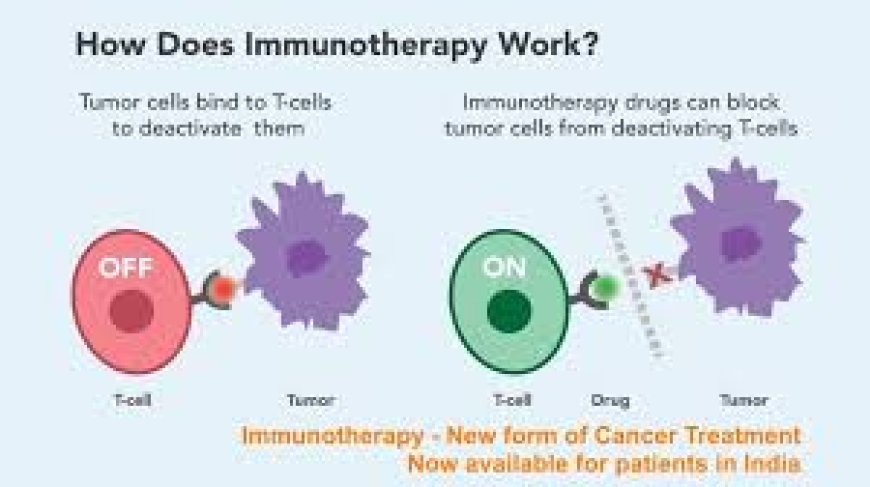
Immunotherapy is a type of cancer treatment that boosts or modifies the bodys immune system to target and destroy cancer cells. Unlike chemotherapy, which directly kills cancer cells, immunotherapy trains the immune system to recognize and fight cancer more effectively.
There are several types of immunotherapy used in the Best Cancer Treatment Hospitals in Meerut and across India:
-
Checkpoint inhibitors
-
T-cell transfer therapy
-
Monoclonal antibodies
-
Cytokines (Interleukins and Interferons)
-
Cancer vaccines
Each of these types can trigger different responses in the body, which sometimes results in side effects.
Common Side Effects of Immunotherapy
While immunotherapy is less toxic than chemotherapy, it can still cause side effects. These occur because activating the immune system can sometimes lead to inflammation in healthy organs and tissues.
1. Fatigue
Fatigue is one of the most common side effects reported by cancer patients undergoing immunotherapy. It may not be as severe as in chemotherapy, but it can still affect daily activities.
Management Tip:
-
Ensure adequate sleep.
-
Practice light exercises like walking or yoga.
-
Maintain a nutritious diet.
2. Skin Reactions
Patients might experience rashes, itching, redness, or peeling. These reactions are usually seen at the site of injection or may be more widespread.
Management Tip:
-
Use gentle skincare products.
-
Consult your doctor for medicated creams or antihistamines.
3. Flu-like Symptoms
Fever, chills, muscle aches, and nausea are common flu-like symptoms. These are often mild and resolve within a few days.
Management Tip:
-
Stay hydrated.
-
Use over-the-counter medications like paracetamol with a doctor's guidance.
4. Digestive Problems
Diarrhea, abdominal cramps, and loss of appetite are seen in some patients, especially those receiving checkpoint inhibitors.
Management Tip:
-
Avoid spicy and oily food.
-
Eat small meals frequently.
-
Consult a dietician if symptoms persist.
5. Cough and Shortness of Breath
In some cases, immunotherapy can inflame the lungs, leading to a condition called pneumonitis.
Management Tip:
-
Inform your doctor immediately if you experience breathing problems.
-
Do not ignore persistent cough.
Less Common but Serious Side Effects
Some side effects of immunotherapy are rare but can be severe or life-threatening. Prompt diagnosis and treatment are essential.
1. Colitis
An inflammation of the colon, colitis can lead to severe diarrhea and abdominal pain. Its more common with checkpoint inhibitors.
Signs to Watch For:
-
Bloody stools
-
Persistent cramping
-
Severe dehydration
2. Hepatitis
Immunotherapy can trigger liver inflammation, leading to elevated liver enzymes.
Signs to Watch For:
-
Yellowing of the eyes (jaundice)
-
Pain in the upper abdomen
-
Fatigue and dark-colored urine
3. Endocrinopathies
These are hormone-related issues caused by inflammation in organs like the thyroid, adrenal glands, or pancreas.
Common Conditions:
-
Hypothyroidism (underactive thyroid)
-
Diabetes
-
Adrenal insufficiency
Signs to Watch For:
-
Weight changes
-
Mood swings
-
Muscle weakness
4. Neurological Issues
In rare cases, patients may experience nerve damage, muscle weakness, or cognitive changes due to inflammation in the brain or spinal cord.
Signs to Watch For:
-
Tingling or numbness
-
Difficulty walking
-
Memory loss
When to Seek Medical Help
Early detection of side effects is key to managing them effectively. Consult your oncologist immediately if you notice:
-
Persistent high fever
-
Unexplained rash or skin blistering
-
Sudden shortness of breath
-
Changes in vision or speech
-
Severe fatigue that doesnt improve with rest
-
Irregular heartbeat or chest pain
Hospitals offering the Best Cancer Treatment in India, including reputed names in Meerut, are equipped with multidisciplinary teams to handle these complications promptly.
How Side Effects Differ from Chemotherapy
Many patients confuse the side effects of immunotherapy with those of chemotherapy. Heres a quick comparison:
| Aspect | Immunotherapy | Chemotherapy |
|---|---|---|
| Main Target | Immune system | Fast-dividing cells |
| Common Side Effects | Inflammation-based (fatigue, rash) | Hair loss, nausea, vomiting |
| Long-Term Risks | Autoimmune conditions | Organ toxicity, infertility |
| Recovery Time | Generally faster | Often longer and more exhausting |
Coping Strategies for Indian Patients
1. Emotional Support
Joining support groups or seeking counseling can help in managing the emotional toll of cancer treatment. Several hospitals offering the Best Cancer Treatment in India provide psychological support services.
2. Nutritional Guidance
A healthy diet plays a crucial role in reducing side effects. Indian dietary habits may need to be adjusted to include more fruits, fiber, and protein.
3. Traditional Support (with Caution)
While Ayurveda and other traditional remedies are popular in India, always consult your oncologist before combining them with immunotherapy.
4. Regular Monitoring
Patients undergoing immunotherapy require regular blood tests and scans to monitor the effects of the treatment on various organs. This helps in early detection of complications.
Role of Indian Healthcare Facilities
The Best Cancer Treatment Hospitals in Meerut and other parts of India are increasingly integrating immunotherapy into personalized cancer care. These hospitals follow international protocols and provide access to the latest immunotherapy drugs. Many have specialized immuno-oncology teams trained to handle side effects efficiently.
Some of the advantages Indian hospitals offer include:
-
Cost-effective immunotherapy options
-
Skilled oncologists with international experience
-
Access to clinical trials and emerging therapies
Conclusion
Immunotherapy represents a significant leap in cancer care, especially for Indian patients seeking cutting-edge yet affordable treatments. However, its important to be aware of the potential side effects, both common and rare. With timely intervention, the majority of these side effects are manageable.
Patients must maintain open communication with their healthcare providers and report any symptoms as soon as they appear. Choosing the Best Cancer Treatment in India means not just opting for advanced therapy, but also receiving comprehensive care that includes side effect management, emotional support, and holistic recovery.
Whether you're receiving treatment in a metro hospital or the Best Cancer Treatment Hospital in Meerut, being informed and proactive can make a world of difference in your cancer journey.