

















Next-Gen Estimating: How AI and Data Are Reshaping Construction Planning
The construction industry continues to be modernised, but new technologies, such as projects, are changing budgeting and management.


The construction industry continues to be modernised, but new technologies, such as projects, are changing budgeting and management. There are traditional workflows for efficiency, increased visibility, increased cost crossings, digital estimation tools operated by artificial intelligence (AI), and analytics. This progress will help construction teams work with better forecasts, make decisions faster, and improve financial management from day one.
This shift has brought new value to services such as FFF&E-Procurement Services. This benefits from more accurate planning rooted in real-time data and intelligent forecasting systems.
1. A more intelligent plan starts with intelligent sourcing
In large construction projects, the selection and procurement of furniture, fixtures, and equipment (FF&E) often accounts for a critical part of the budget. Traditionally, it was a manual to understand these elements and was prone to errors.
Currently, AI-supported systems offer a more intelligent opportunity to predict FF&E costs by analyzing patterns, supplier data, and historical price trends. This will allow planners to gain leads, especially when working with FF&E procurement services that integrate modern estimation tools.
2. A centralized dashboard improves budget visibility
The main advantage of the digital estimation platform is its ability to centralize data for various project components. A uniform dashboard allows construction teams to more clearly pursue actual estimates, supplier quotes, and scope changes.
This visibility is extremely important for FF&E planners. Delivery time and budget orientation must work together in this planner. Through partnerships with providers specializing in FF&E procurement services, project managers will have better control at the start of the planning stage.
3. AI improves the prediction of FF&E components
The role of AI in forecasting is increasing in nature, especially in areas such as material procurement and logistics. Algorithms trained on historical data and current market conditions allow lead time, Fleck's supply chain to take risks and allow detailed costs to be calculated more accurately.
When used in addition to FF&e cooking services, these forecasts are practical tools to avoid load balancing costs and delivery failures that could delay project schedules.
4. Material estimation increases thrust through real-time start
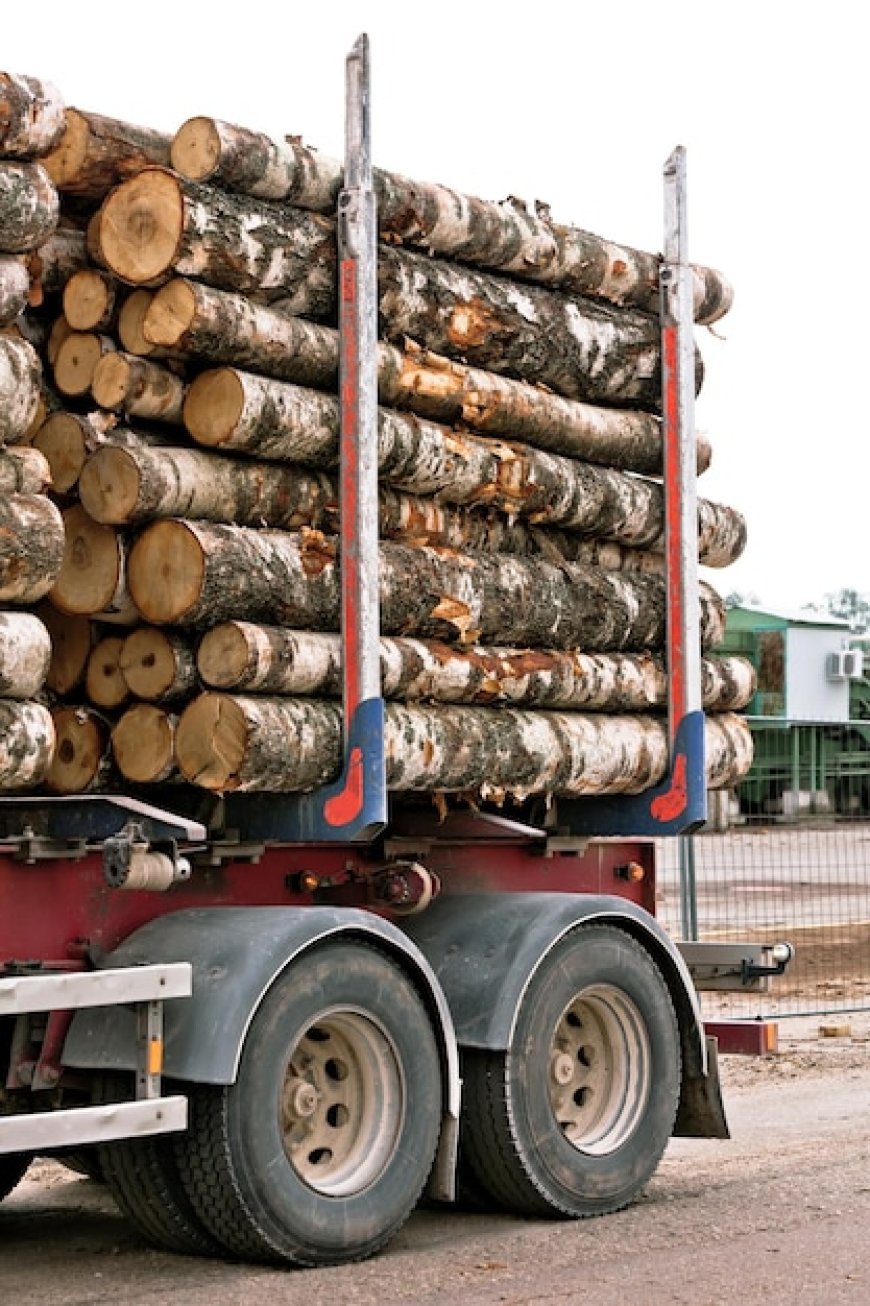
As soon as the project exceeds the initial procurement plan, the focus is shifted to structural materials and frame components. Here, digital tools help in starting teams, timber, and related supplies, and are estimated more efficiently. Instead of relying on old manual calculations, the new platform automatically scans the blueprint and generates quantitative estimates.
These innovations strengthen the role of wood initiation services and establish a solid foundation for accurately planning frames and woodworking.
5. Accuracy and speed: Characteristics of modern wood estimation
Speed ??is especially important in the early stages. Intelligent estimation software allows construction teams to calculate wood and material requirements in minutes. Not only will these tools improve speed, but they will also improve accuracy and they will also help you avoid undercutting or costly waste.
Today, the Wood Start service relies on AI-enabled tools that improve calculations when designs are developed and ensure that components are not overlooked.
6. Predictive modeling to improve frame budget control
In addition to the basic material count, prediction tools are also used to analyze cost fluctuations in wood and wood materials. AI can take into account regional price trends, seasonal deviations, a nd supplier behavior to predict future costs.
By using lumber takeoff services driven by predictive modeling, construction teams receive the benefits of budgets based on data rather than guesses.
7. Platform ratings are currently exceeding the numbers
Digital estimates are dragged well beyond just the spreadsheet and quantitative distance. Today, the platform integrates design tools, features in real time, and budgeting dashboards in one room.
With this interconnected system, the estimation services for construction work shine. Estimates can work together with architects, procurement specialists, and project managers to update costs and assumptions without disruption in long email chains and document versions.
8. Findings exceeded in the early identification of budget risks
Data analysis has allowed construction specialists to identify potential budget issues before they grow. Cost anomalies, circumference, and power of attorney can be automatically marked, allowing decision makers to have the opportunity to adapt their plans before they exceed them.
Key building regulations use these tools to provide clearer forecasts supported by historical data
and live project metrics.

9. Digital tools enhance cooperation and accuracy
The final piece of the puzzle is collaboration. An AI-supported estimation platform helps you decide on the entire project team by accessing data and real-time updates. There is no longer a waiting time for cost revisions for the song change.
Providers who provide construction estimating services in this digital format will allow teams to work intelligently, faster, and more confidently with numbers that make important decisions.
The final thought
The next generation structure is here, based on data, speed, and intelligence. From procurement planning to structural forecasting, digital tools can help construction professionals make their budgets and work processes more accurate.
AI and analytics will develop services such as FF&E procurement services, Wood Start Services, and construction services from the components of the Support role into strategic assets. For construction teams who want to stay competitive and want to avoid costly surprises, the acquisition of these next-generation tools is no longer a future goal.