


















Phenoxyethanol Explained: What It Does to Your Skin
In this guide, we break down the facts behind phenoxyethanol: where it comes from, why it’s used, how it affects your skin, and whether or not you should be concerned about using products that contain it.

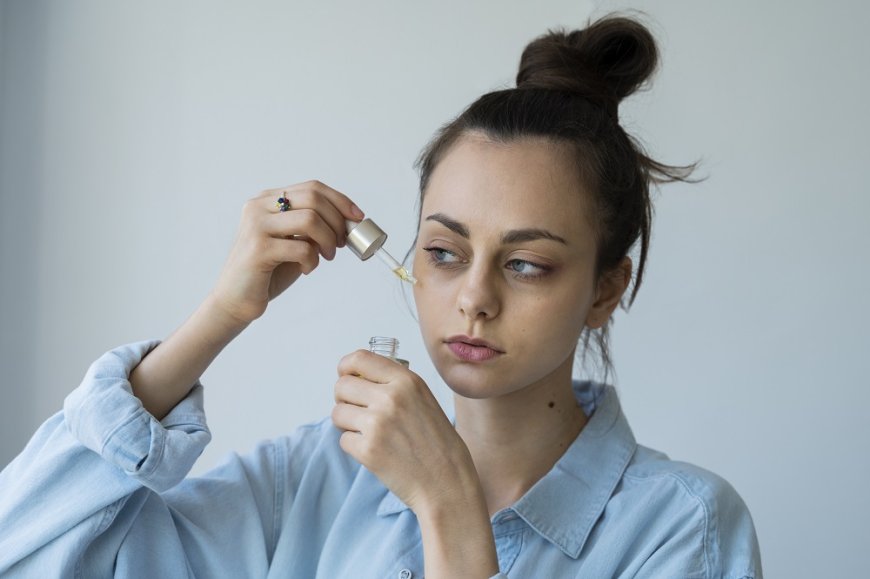
If youve ever scanned the ingredients list of your favorite moisturizer, cleanser, or serum, you may have spotted the name phenoxyethanol. While it may not sound glamorous, this chemical plays a vital role in modern skincare formulations. But what exactly is phenoxyethanol, and more importantly, what does phenoxyethanol for skin really do?
In this guide, we break down the facts behind phenoxyethanol: where it comes from, why its used, how it affects your skin, and whether or not you should be concerned about using products that contain it.
What Is Phenoxyethanol?
Phenoxyethanol is a synthetic preservative and a type of glycol ether. In skincare and cosmetics, its used to prevent the growth of harmful bacteria, mold, and yeast, especially in products that contain water.
Although synthetic, phenoxyethanol is considered one of the milder and safer preservatives used in todays skincare formulations. Its often used as a more acceptable alternative to parabens and formaldehyde-releasing agents, both of which have fallen out of favor with ingredient-conscious consumers.
Why Is Phenoxyethanol Used in Skincare Products?
Skincare products, particularly water-based ones, are vulnerable to microbial contamination. Without a preservative, these products can spoil quickly, leading to potential infections, skin irritations, or reduced effectiveness.
Phenoxyethanol is added to prevent this. Here are the key reasons formulators choose it:
-
Broad-spectrum antimicrobial action
-
Stability in various pH levels and temperatures
-
Effective at low concentrations (0.51%)
-
Compatible with most active ingredients
-
Fewer allergic reactions compared to older preservatives
Its ability to keep formulations safe without heavily irritating the skin has made phenoxyethanol for skin preservation an industry standard.
What Phenoxyethanol Does to Your Skin
Lets explore how phenoxyethanol affects the skin when used in cosmetic and skincare formulations.
1. Maintains Product Safety
The most crucial effect of phenoxyethanol is indirect protection. By preventing microbial contamination, it reduces the risk of skin infections and irritation that could occur if bacteria or mold grow in your skincare.
This is especially important for:
-
Products in jars or pumps
-
Products used near the eyes or mouth
-
Products stored in humid environments
2. Preserves Active Ingredient Potency
Phenoxyethanol helps stabilize active compounds like vitamin C, niacinamide, or peptides by reducing the breakdown that can occur with microbial growth. This allows your skincare to remain effective over time.
3. Rarely Causes Skin Irritation at Proper Concentration
In the recommended concentration (1% or less), phenoxyethanol has a low risk of skin irritation for most users. However, individuals with sensitive or reactive skin may occasionally experience redness, dryness, or itching.
If youve had trouble with preservatives in the past, its wise to do a patch test before applying new products all over your face.
Is Phenoxyethanol Safe for All Skin Types?
? Generally Safe for Normal and Oily Skin
Phenoxyethanol is non-comedogenic (does not clog pores), making it suitable for oily and acne-prone skin types. It wont cause excess oil production or lead to breakouts.
? Often Safe for Dry and Sensitive Skin With Caution
While many sensitive-skin formulas contain phenoxyethanol due to its low allergenic profile, some people with highly reactive skin may still experience sensitivity. If you're prone to eczema or dermatitis, be cautious and observe how your skin responds.
? Not Ideal for Infants or Oral Products
Phenoxyethanol is not recommended in products used around the mouths of infants or young children. This is because babies have underdeveloped detox systems, and ingestion (even in small amounts) could pose a risk.
How to Know If Phenoxyethanol Is in Your Products
Youll usually find phenoxyethanol listed near the end of the ingredients listan indicator that its used in small concentrations. It may appear as:
-
Phenoxyethanol
-
In combination with other preservatives like Ethylhexylglycerin or Caprylyl Glycol
Look for these on packaging labels of:
-
Face creams
-
Serums
-
Sunscreens
-
Micellar waters
-
Liquid foundations
-
Baby lotions
How Phenoxyethanol Compares to Other Preservatives
When considering phenoxyethanol for skin, its helpful to compare it to other common preservatives to understand its place in skincare:
| Preservative | Effectiveness | Safety Profile | Common Concerns |
|---|---|---|---|
| Phenoxyethanol | High | Good (at ?1%) | Mild irritant in sensitive users |
| Parabens | Very High | Controversial | Hormone disruption fears |
| Formaldehyde releasers | High | Poor | Banned in some regions |
| Benzyl alcohol | Moderate | Okay | Can be drying |
| Essential oils | LowModerate | Variable | High allergenic potential |
In this comparison, phenoxyethanol offers a well-balanced profileeffective enough to preserve, but gentle enough for most users.
Clean Beauty and Phenoxyethanol
While some consumers prefer natural preservatives, many clean beauty brands opt to include phenoxyethanol because:
-
It's non-paraben
-
Doesnt release formaldehyde
-
Safe in low concentrations
-
Far less irritating than many natural alternatives
Even clean-certified retailers like Credo Beauty and Sephora Clean allow phenoxyethanol in approved products. It strikes a practical balance between efficacy and gentleness.
Pros and Cons of Phenoxyethanol for Skin
Heres a quick look at the benefits and drawbacks of using phenoxyethanol-containing products:
? Pros
-
Highly effective preservative
-
Stable in various conditions
-
Fewer allergic reactions than older preservatives
-
Enhances product longevity
-
Compatible with active ingredients
? Cons
-
Can cause irritation in very sensitive individuals
-
Not ideal for babies or broken skin
-
Synthetic and non-biodegradable (not eco-friendly)
Tips for Using Skincare with Phenoxyethanol
To minimize the chances of irritation while still enjoying the benefits of preserved skincare, follow these tips:
-
Use one phenoxyethanol product at a time to avoid cumulative exposure.
-
Perform a patch test before trying a new product.
-
Look for it near the end of the ingredients list, indicating its used in low amounts.
-
Store products properly to help preservatives do their job efficiently.
-
Avoid using on broken or inflamed skin if youre prone to sensitivity.
Should You Avoid Phenoxyethanol?
For most people, theres no need to avoid phenoxyethanol. It has a long track record of safe use in cosmetics and is approved by global safety authorities. Unless you have known sensitivities, are caring for an infant, or strongly prefer 100% natural ingredients, its perfectly fine to use skincare products that contain it.
If youre unsure, consult your dermatologistespecially if you have chronic skin conditions like rosacea, eczema, or highly reactive skin.
Final Thoughts: What Phenoxyethanol Really Does to Your Skin
Phenoxyethanol may not be a trendy buzzword in skincare, but it plays a behind-the-scenes role that is absolutely essential. By preventing contamination, stabilizing ingredients, and keeping your skincare safe for use, this preservative does more than you might think.
While some users may need to exercise caution, for the majority of people, phenoxyethanol for skin is a safe, effective, and reliable ingredient that supports the quality and performance of their favorite products.