


















Vaishno Devi Temple Height and Travel Details for Pilgrims
Explore Vaishno Devi temple height, travel time, and darshan timings. Learn about elevation, best visiting times, and how long it takes to reach from Katra for a divine experience.

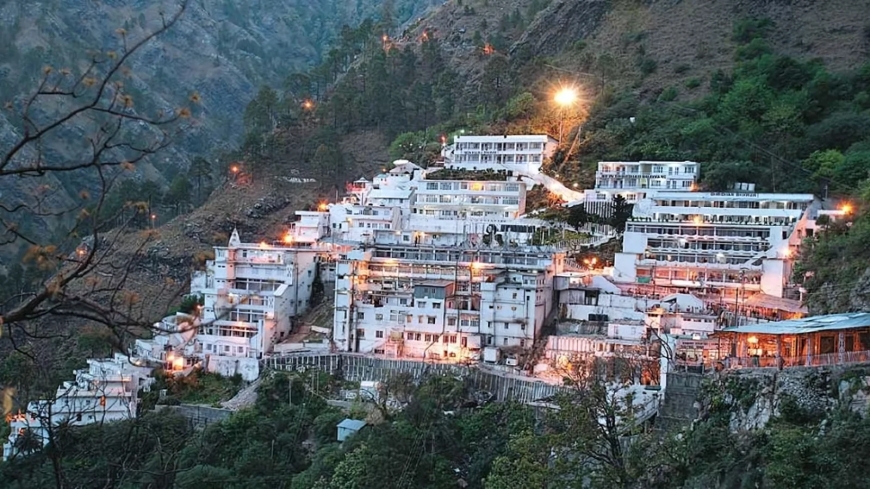
The Vaishno Devi Temple is one of the most sacred and visited pilgrimage sites in India. Located in the Trikuta Hills of Jammu and Kashmir, it attracts millions of devotees each year who climb the mountain trail in devotion to Goddess Vaishno Devi. As pilgrims prepare for this spiritual trek, understanding the Vaishno Devi temple height plays an important role in planning the journey physically and mentally.
Understanding the Vaishno Devi Temple Height
The Vaishno Devi temple height from sea level is approximately 5,200 feet (around 1,585 meters). Located in the lap of the mighty Trikuta Mountains, the temples elevation makes the trek both scenic and spiritually uplifting. The natural cave shrine where Goddess Vaishno Devi resides is set amidst lush hills and cold mountain air that enhances the sacredness of the site.
For many pilgrims, the height of Vaishno Devi temple from ground levelmeaning from the base camp at Katrais a key consideration when preparing for the uphill climb. Katra is located at an elevation of around 2,500 feet, meaning the temple is about 2,700 feet higher. The altitude gain over the course of the trek is moderate but noticeable, especially for elderly pilgrims or those not used to walking uphill.
Vaishno Devi Temple Height in Kilometers
In terms of vertical distance, the Vaishno Devi temple height in km is about 1.6 kilometers above sea level. This measurement gives perspective on why the trek takes effort and why some pilgrims experience shortness of breath or fatigue. Despite this, the path is well-maintained, and facilities like resting points, food stalls, and medical centers ensure a comfortable journey.
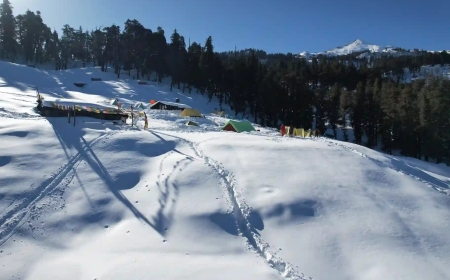
The scenic route adds beauty to the challenge, offering views of forested mountains, distant valleys, and occasionally snowfall during winter months. Knowing the elevation helps pilgrims anticipate changes in temperature and prepare accordingly.
Katra to Vaishno Devi Temple Height Difference
The Katra to Vaishno Devi temple height difference is significant and forms the basis of the physical yatra. The 13-kilometer trek includes both steep and gradual ascents. This height gain is spread evenly throughout the trail, making it manageable for most pilgrims who walk slowly and take rest breaks along the way.
Pilgrims often begin their trek from the Banganga check-post and walk through Ardhkuwari and Himkoti before finally reaching the Bhawan. The change in altitude is most noticeable after Ardhkuwari, where the path becomes steeper but is complemented by beautiful mountain views and cool breezes.
Vaishno Devi Temple Timings and Darshan Schedule
Planning the trek also involves knowing the Vaishno Devi temple timings. The temple remains open all year round, but darshan hours are structured for orderly management of the large number of pilgrims. Typically, the Vaishno Devi temple darshan timings start early in the morning and continue until late at night. Darshan is allowed 24 hours a day in many cases, but the exact timing may vary slightly depending on the day and crowd size.
The Vaishno Devi temple opening time each day is officially continuous, with breaks only during certain rituals or cleaning hours. Therefore, pilgrims arriving at any hour can usually have darshan, though peak times may involve longer waiting periods.
Shri Mata Vaishno Devi Temple Timings and Rituals
The Shri Mata Vaishno Devi temple timings include several rituals throughout the day, such as morning aarti and evening prayers. These spiritual ceremonies are held with great devotion and are a beautiful experience for those who arrive at the right time. Pilgrims who wish to witness the aarti should aim to reach early in the morning or late in the evening when these rituals are conducted with great fervor.
During Navratri and other Hindu festivals, the temple sees a surge in visitors and longer darshan queues. The shrine board often provides live updates and manages crowd flow through token systems and digital displays showing waiting time for darshan.
Best Time to Visit Vaishno Devi Temple
Choosing the Vaishno Devi temple best time to visit depends on weather, crowd levels, and personal comfort. Summer months from March to June offer pleasant weather with moderate temperatures, making trekking easier for most pilgrims. Monsoon months from July to September can be slippery and unpredictable due to rainfall.
Winter months from October to February are cold, and the trail might be covered in snow. However, the atmosphere during this time is serene, and the crowds are fewer, which may appeal to some devotees. The Navratri festivals in spring and autumn are especially vibrant but also the most crowded times to visit.
Time to Reach Vaishno Devi Temple from Katra
The time to reach Vaishno Devi temple from Katra varies from person to person, based on pace and physical condition. On average, it takes between 4 to 8 hours on foot. Younger or more experienced walkers may complete the journey in 4 to 5 hours, while elderly or those taking frequent breaks might need 6 to 8 hours.
For pilgrims using ponies, palkis, or battery-operated vehicles on the newer Tarakote route, the journey time reduces significantly. Ropeway options are also available between the Bhawan and Bhairon temple for those wishing to extend their pilgrimage upward with less physical strain.
Vaishno Devi Temple Visiting Time and Facilities
The Vaishno Devi temple visiting time is flexible thanks to its round-the-clock darshan policy, but pilgrims are encouraged to begin early morning or late evening treks to avoid heat and congestion. Facilities such as cloakrooms, free drinking water, public toilets, and resting areas are available along the route, making the pilgrimage more manageable.
The Shri Mata Vaishno Devi Shrine Board has made great efforts to provide accessibility through digital bookings, real-time updates, and medical support. These enhancements make it easier for people from all walks of life to complete this spiritual journey regardless of age or health.
Conclusion
The Vaishno Devi temple height of approximately 5,200 feet from sea level gives pilgrims not only a physical challenge but a rewarding spiritual journey. As one ascends the Trikuta Mountains from Katra, the air gets cooler, the surroundings more serene, and the heart more focused on the divine.
Understanding the elevation, Vaishno Devi temple height in km, and the trek's difficulty helps pilgrims prepare better, physically and mentally. Whether walking the full trail or using available facilities, the experience remains deeply spiritual. Combined with knowledge of Vaishno Devi temple timings, darshan hours, and the best time to visit, every devotee can make this sacred journey with greater ease and devotion.