


















What Is the Best Heat Exchanger for Air Cooled Systems?
Air cooled heat exchangers differ significantly from traditional water-cooled designs. Instead of using water or other liquid coolants, these systems utilize ambient air to remove heat.

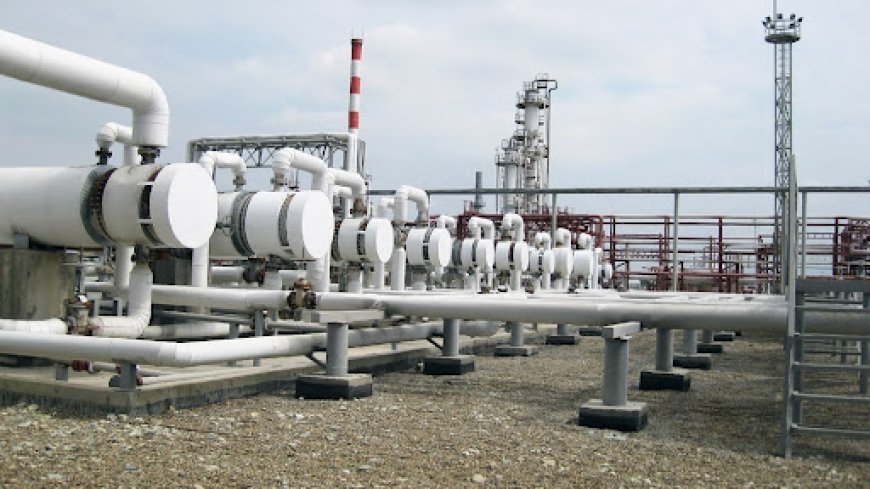
A heat exchanger is a mechanical device used to transfer heat between two or more fluids without mixing them. It plays a critical role in a variety of industrial, commercial, and residential applications, ensuring efficient energy use and temperature control. From power plants to air conditioning systems, heat exchangers are central to thermal regulation. In most cases, these devices help reduce operational costs by utilizing waste heat or cooling mechanisms more efficiently. The design and structure of a heat exchanger vary according to its purpose, but they all function based on the principle of thermal conduction and fluid flow. Heat exchangers come in several types, including plate, shell-and-tube, finned tube, and the increasingly popular air cooled heat exchangers.
-flanged-heads8627737de6046fa4b688ff0000f8d730.jpg?sfvrsn=9f231ce9_6)
How Air Cooled Heat Exchangers Differ from Other Types
Air cooled heat exchangers differ significantly from traditional water-cooled designs. Instead of using water or other liquid coolants, these systems utilize ambient air to remove heat. This design reduces the reliance on water sources, which is particularly beneficial in arid or remote locations where water is scarce or expensive. Additionally, air cooled heat exchangers require less infrastructure and maintenance compared to water-based systems. These systems often incorporate large fans and finned tubes to increase the surface area for heat dissipation. Despite needing more space due to their size, they offer long-term savings and improved sustainability, especially in industries like oil and gas, power generation, and petrochemical processing.
Advantages of Using Air Cooled Heat Exchangers in Modern Industries
There are many compelling reasons to opt for air cooled heat exchangers in industrial applications. One of the most prominent advantages is environmental sustainability. Since these systems don't depend on water, they contribute to conservation efforts and reduce wastewater discharge. Additionally, air cooled heat exchangers often result in lower operational costs due to reduced water treatment and pumping needs. Another advantage lies in their flexibility; they can be installed in various environments without requiring a water supply infrastructure. Their modular design also facilitates easy maintenance and scalability. As industries continue to prioritize eco-friendly and cost-effective solutions, the demand for this type of heat exchanger continues to grow.
Key Components That Make a Heat Exchanger Efficient
The performance of a heat exchanger depends largely on its components. High-quality materials for the core components, such as the tubes, fins, and headers, ensure durability and optimal heat transfer. For air cooled heat exchangers, the finned tubes are particularly crucial as they increase the heat transfer surface area exposed to airflow. Fans and motors must be selected based on efficiency and airflow requirements to maximize cooling capacity. The overall layout, orientation, and spacing also influence performance, especially in environments with variable temperatures. Efficient designs reduce pressure drop, enhance thermal transfer, and lead to longer equipment life, all contributing to a more reliable and effective heat exchanger system.
Applications of Heat Exchangers in Diverse Sectors
Heat exchangers are employed in a vast array of sectors, ranging from manufacturing to aerospace. In the energy sector, they are used in power plants to recover and repurpose heat from turbine exhausts. In HVAC systems, heat exchangers regulate indoor climates by transferring heat between air and refrigerants. The chemical and petrochemical industries use them to control process temperatures, often relying on air cooled heat exchangers for remote or high-temperature installations. Additionally, automotive industries use compact heat exchanger systems for engine cooling. The adaptability and energy efficiency of heat exchangers make them indispensable to modern engineering and technology.
Design Considerations for Optimizing Heat Exchanger Performance
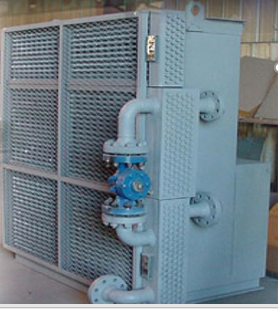
Several factors must be considered when designing a heat exchanger. First, the temperature range and type of fluids involved significantly affect the choice of materials and configuration. Corrosive fluids require corrosion-resistant materials, while high-pressure applications demand robust construction. For air cooled heat exchangers, fan performance, tube fin density, and spatial arrangement play critical roles. Engineers also consider installation environment, altitude, and ambient temperature to ensure maximum efficiency. Thermal efficiency is directly influenced by the surface area available for heat exchange and the flow patterns of both the process and cooling fluids. Computational simulations are often used to model and optimize the design of heat exchanger systems.
Comparing Plate Heat Exchangers and Air Cooled Heat Exchangers
Both plate and air cooled heat exchangers serve the same fundamental purpose, but their mechanisms and applications differ significantly. Plate heat exchangers consist of thin, corrugated metal plates that provide a large surface area for heat transfer. They are compact and highly efficient for liquid-to-liquid heat exchange in confined spaces. Air cooled heat exchangers, on the other hand, rely on air movement to cool or heat fluids, making them ideal for locations lacking sufficient water supply. While plate heat exchangers offer excellent thermal performance in small spaces, air cooled systems shine in large-scale, open-air environments. The decision between the two depends on specific application needs, resource availability, and cost considerations.
Maintenance Tips for Prolonging Heat Exchanger Life
Regular maintenance is key to extending the lifespan and performance of a heat exchanger. Dust and debris can accumulate on the fins of air cooled heat exchangers, reducing airflow and efficiency. Scheduled cleaning of the finned surfaces and fans is essential. Periodic inspections for corrosion, vibration, and fluid leaks can help detect potential problems early. Proper lubrication of moving parts, checking electrical connections, and monitoring temperature differentials are standard maintenance practices. Implementing predictive maintenance through sensors and monitoring systems can help identify wear and inefficiencies before they escalate. Adhering to a routine maintenance schedule ensures that the heat exchanger operates reliably and cost-effectively for years.
Challenges in Deploying Air Cooled Heat Exchangers
Despite their many benefits, air cooled heat exchangers present unique challenges. Their reliance on ambient air means their efficiency can be impacted by high external temperatures, especially during summer months. In dusty or polluted environments, dirt accumulation on fins can hinder heat transfer. The systems also require a larger footprint, which can be a limiting factor in space-constrained facilities. Noise from large fans may pose a concern in residential or urban settings. Overcoming these challenges involves careful site planning, incorporating noise-reduction measures, using high-efficiency fans, and applying coatings that prevent corrosion and dirt build-up on fins. Understanding these limitations is essential to optimizing the application of these heat exchanger systems.
How to Choose the Right Heat Exchanger for Your Needs
Selecting the right heat exchanger involves evaluating the heat transfer requirements, environmental conditions, and operational constraints. Begin by identifying the type and volume of fluids involved, the required temperature changes, and the available space. Air cooled heat exchangers are ideal for applications where water is limited or expensive, and where open space allows for effective air movement. Factors such as energy efficiency, ease of maintenance, and system integration should also be considered. For temporary or mobile setups, modular air cooled units can offer rapid deployment and flexibility. Consulting with thermal engineers or heat exchanger specialists can help tailor the system to specific operational goals and industry standards.
Sustainability and Future Innovations in Heat Exchanger Technology
As sustainability becomes a core focus across industries, heat exchanger technology is also evolving. The push for greener operations has led to the development of eco-friendly refrigerants, advanced coatings, and high-efficiency materials that minimize energy loss. Air cooled heat exchangers are being designed with smart controls that adjust fan speed and operation based on real-time temperature readings. Integration with renewable energy sources and waste heat recovery systems is another trend driving innovation. Research is ongoing into nanofluids and advanced fin structures that enhance thermal conductivity. These innovations aim to create a new generation of heat exchanger systems that are more efficient, compact, and environmentally responsible.
Conclusion: Partnering with Experts for Heat Exchanger Solutions
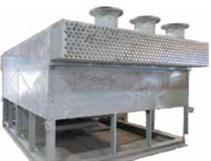
A well-designed and maintained heat exchanger is fundamental to achieving energy efficiency, operational cost savings, and environmental compliance. Whether you're considering plate or air cooled heat exchangers, the decision should be guided by your specific industrial needs, site conditions, and performance expectations. Working with experienced professionals ensures that every aspectfrom design to installation and maintenanceis optimized for your operation. For those looking for tailored, high-performance heat exchanger systems, Kinetic Engineering Corporation offers a wide range of solutions backed by industry expertise and engineering excellence.