



















Why Proper Breathing Improves Your Mat Routine

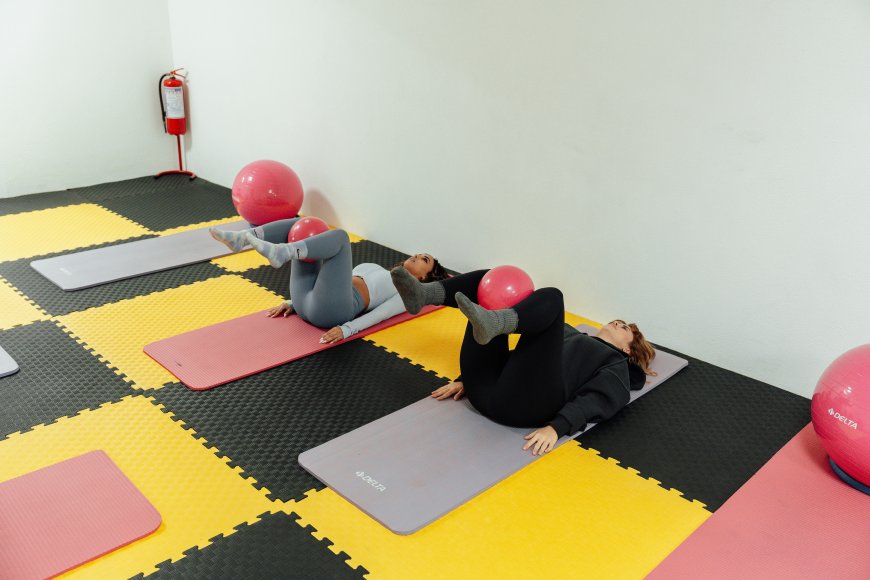
Whether you're practicing Pilates, yoga, or bodyweight exercises on your mat, you're likely focused on form, muscle engagement, and balance. But there's an equally important component that often goes unnoticed: your breath. Proper breathing isn't just about oxygenating your blood it's a powerful tool that can elevate your performance, enhance your focus, and prevent injuries during your mat routine.
In fact, professionals from physical therapy clinics topilates classes midtown nycincorporate guided breathing techniques into their sessions and for good reason. By learning how to control and sync your breath with movement, you unlock a new level of body awareness and control that profoundly impacts your results.
Key Points
- Breathing techniquedirectly impacts core engagement, posture, and endurance.
- Learning to breathe properly canreduce the risk of injuryduring mat-based workouts.
- Mindful breathing enhancesrelaxation, focus, and mental clarity.
- Specific breathing patterns supportdifferent types of movement whether its strength, flexibility, or balance work.
- Breathing awareness is a cornerstone principle in disciplines like Pilates, yoga, and physical therapy.
The Physiology of Breath and Movement
How Breathing Works
Breathing is an automatic process, but the way we breathe especially during physical activity plays a critical role in performance. The diaphragm, intercostal muscles, and even the pelvic floor are involved in healthy respiration. Shallow, rapid breathing from the chest can contribute to muscle tension, fatigue, and poor oxygen delivery. Deep diaphragmatic breathing, on the other hand, supports calmness, efficiency, and improved circulation.
Oxygen, Muscles, and Endurance
When you inhale deeply, you supply oxygen-rich blood to working muscles. This improves their ability to contract efficiently and sustain effort over a longer period. Conversely, holding your breath or breathing erratically during exercise can actually limit your performance and increase the likelihood of early fatigue.
Breathing and Core Activation
The Connection Between Breath and Stability
In mat-based workouts, particularly Pilates and yoga, core stability is paramount. The diaphragm, a key breathing muscle, works in coordination with the deep abdominal and pelvic floor muscles. Proper breathing can help stabilize the spine, protect internal organs, and reduce pressure on the lumbar area.
This is why instructors often cue breathing patterns such as "exhale on exertion" meaning you exhale when performing the most physically demanding part of a move (like lifting your legs or curling your spine). This technique supports core contraction and keeps intra-abdominal pressure balanced.
Example: Pilates Hundred Exercise
During the "Hundred," a classic Pilates warm-up, you are instructed to inhale for five counts and exhale for five counts while pumping the arms. This rhythmic breathing not only warms up your cardiovascular system but also engages your abdominals and encourages a steady pace.
Mind-Body Awareness Through Breath
Focus and Mental Clarity
One of the biggest benefits of mindful breathing is improved mental focus. When you're aware of your breath, you're more present in your movement. This awareness can help you catch small postural imbalances and correct your form in real time reducing the risk of injury and ensuring you get the most out of every rep.
Breathing and Stress Regulation
Mat routines often incorporate movements that challenge balance and flexibility, which can trigger tension. Breathing deeply through these moments allows your nervous system to stay calm and responsive rather than reactive. This regulation helps you remain grounded, especially during complex or unfamiliar exercises.
Different Breathing Techniques for Different Goals
1. Lateral Thoracic Breathing (Pilates)
Lateral breathing emphasizes expansion through the sides and back of the rib cage rather than belly breathing. It allows you to engage your deep abdominals (transverse abdominis) without pushing your abdominal wall outward. This technique is foundational in Pilates and supports controlled, precise movements.
2. Ujjayi Breath (Yoga)
Often referred to as ocean breath, Ujjayi breathing involves slightly narrowing the back of your throat to create a soft sound as you breathe in and out through your nose. It builds internal heat, increases endurance, and helps maintain mental focus throughout a yoga flow.
3. Box Breathing (Stress Management)
Box breathing is a simple technique used by athletes and professionals to manage anxiety and improve performance. It involves inhaling for 4 counts, holding for 4, exhaling for 4, and holding for another 4. Integrating this technique into your warm-up can center the mind and body before intense activity.
Breathing and Injury Prevention
Reducing Compensation Patterns
Many people subconsciously hold their breath when performing challenging movements, which can lead to muscular compensation or strain. Proper breathing distributes tension appropriately and encourages fluid, efficient motion. This is critical for protecting the spine and joints during mat-based workouts.
Enhancing Recovery
Post-exercise breathing patterns influence your recovery. Slow, deep breaths after your workout help your body transition out of its sympathetic (fight or flight) state and into a parasympathetic (rest and digest) state. This aids muscle repair, lowers cortisol levels, and boosts overall recovery.
Practical Tips to Improve Your Breathing
1. Practice Breath Awareness Outside of Exercise
Spend a few minutes daily focusing on your breath. Sit or lie down in a comfortable position and observe your natural inhales and exhales. Notice the depth, rate, and texture of your breath. This practice can increase your bodys awareness and make it easier to apply controlled breathing during workouts.
2. Use Cues and Reminders
Set mental or verbal cues such as "inhale to prepare, exhale to move." You can even place sticky notes or inspirational quotes in your workout space reminding you to breathe fully and intentionally.
3. Integrate Breathing Drills into Warm-Ups
Before starting your mat routine, spend 35 minutes performing simple breathing exercises. For example, you can lie in a supine position with your knees bent and one hand on your belly and one on your chest. Try to breathe into your lower hand while keeping the upper hand still. This teaches diaphragmatic engagement.
4. Work With a Professional
In-person guidance from experienced professionals can vastly improve your breathing technique. Manypilates classes midtown nycand physical therapists offer breath-centered instruction that's tailored to your bodys unique needs and goals.
When Breathing Goes Wrong
Common Mistakes
- Breath holding:This is especially common during difficult movements. It can spike blood pressure and reduce muscle efficiency.
- Chest breathing:Over-relying on chest expansion can cause neck and shoulder tension.
- Rapid, shallow breathing:Often a sign of anxiety or poor conditioning, this reduces oxygen delivery and can lead to lightheadedness.
How to Correct Them
Bring awareness back to the breath. If you notice tension or irregular breathing, pause for a moment, reset, and re-engage with intention. Practicing slower, more consistent breath patterns will gradually rewire your bodys response to stress and effort.
Conclusion
Your breath is more than just a background function it's an essential partner in your fitness journey. Integrating proper breathing techniques into your mat routine can transform your physical results, mental clarity, and overall experience. By making breath control a deliberate part of your practice, you're not only enhancing performance but also nurturing long-term wellness and body intelligence.
Frequently Asked Questions (FAQ)
1. Should I inhale or exhale during effort?
In most cases, its best to exhale during the exertion phase of a movement (like lifting your body or tightening your core). This helps stabilize the spine and improves core engagement.
2. How do I know if Im breathing correctly?
Signs of effective breathing include ribcage expansion (not just belly or shoulders), quiet breath sounds, and the ability to maintain a steady rhythm during movement. If you're frequently holding your breath or gasping, it may be time to reassess your technique.
3. Can breath control really prevent injury?
Yes. Proper breathing helps distribute muscular effort, reduces unnecessary tension, and maintains spinal alignment all of which contribute to safer movement patterns.
4. Is there a difference between yoga and Pilates breathing?
Yes, though both emphasize breath control. Pilates often uses lateral thoracic breathing to keep the abdominals engaged, while yoga may use Ujjayi breath or belly breathing depending on the type of practice.
5. How often should I practice breathwork?
You can incorporate breathwork daily, even for just a few minutes. Over time, it becomes second nature and seamlessly integrates into your exercise routine.