
















Varicocele Testicular Condition: A Complete Guide for Men’s Health
Worried your workout is hurting your testicular health? Understand the connection between exercise and varicocele, including symptoms, causes, and treatment options.

Introduction
In a world where staying fit is almost a way of life, men are constantly pushing their limits at the gym. Lifting heavier, training harder, chasing goals. But what if, amidst all this physical progress, something starts to feel... off? A nagging pain in the groin. A weird sense of heaviness. Swelling you didnt notice before.
Thats when you may come across the term varicocele testicular and wonder if your workouts have anything to do with it. Though exercise alone doesnt cause this condition, the pressure it puts on your body could very well play a role. In this article, well break down how varicoceles develop, why they matter, how theyre treated, and what you can do to stay fit without putting your testicular health at risk.
What is Varicocele?
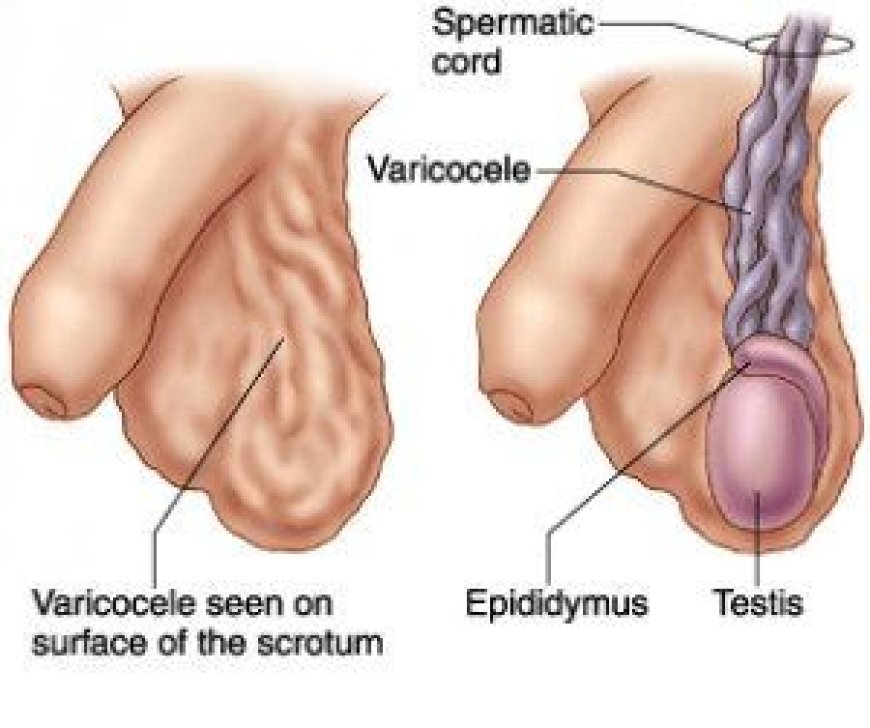
A varicocele is a condition where the veins within the scrotum become enlarged, similar to varicose veins in the legs. These veins part of the pampiniform plexus are responsible for cooling blood before it reaches the testicles. When valves in these veins fail, blood pools, causing the veins to swell.
Its surprisingly common affecting about 1 in 7 men and often goes unnoticed until symptoms arise or fertility becomes an issue.
How Does Varicocele Develop?
The condition usually develops during puberty and progresses over time. While the exact cause isn't always known, the primary reason is improper blood flow due to faulty vein valves. This leads to blood backing up into the scrotum and creating pressure.
Several factors can contribute to or worsen varicocele:
-
Genetic predisposition
-
Standing or sitting for long periods
-
Chronic constipation
-
Heavy lifting or strenuous workouts
-
Obesity
It most often affects the left testicle due to how the left vein connects to the kidney vein a more vertical, gravity-challenging pathway.
Common Symptoms of Varicocele
Many men wont notice symptoms at all, which is why varicocele is often found during fertility tests or routine checkups. But when symptoms do appear, they can include:
-
A dull, aching pain in the scrotum
-
A sense of heaviness or dragging in the testicles
-
Visible or palpable enlarged veins
-
One testicle (often the left) appearing smaller
-
Fertility issues, such as low sperm count or quality
-
Discomfort after exercise or standing for long periods
Is the Gym to Blame?
Lets set the record straight: working out does not directly cause varicocele. However, some intense physical activities, especially those that increase abdominal pressure, can worsen an existing condition or trigger symptoms.
Workouts that may contribute:
-
Heavy weightlifting (especially deadlifts and squats)
-
High-intensity abdominal training
-
Activities involving Valsalva maneuver (holding breath while straining)
These movements increase intra-abdominal pressure, which can reduce venous return and potentially cause blood pooling in the scrotal veins.
How to Protect Yourself While Staying Fit
You dont need to quit the gym just train smarter. Heres how to reduce your risk and manage symptoms:
-
Dont hold your breath during lifts: Practice proper breathing (exhale during the effort phase).
-
Wear supportive underwear: Jockstraps or compression briefs can reduce discomfort.
-
Avoid prolonged standing or straining
-
Lift lighter, with better form
-
Include more cardio: It improves blood circulation without intense pressure buildup.
-
Stay hydrated and eat anti-inflammatory foods
If symptoms persist or worsen after workouts, consult a specialist.
Diagnosis: What to Expect
If youre concerned about testicular discomfort or fertility, your doctor will likely start with a physical exam especially when you're standing and bearing down. They may also suggest:
-
Scrotal ultrasound: To visualize blood flow and vein dilation
-
Semen analysis: To assess fertility status
-
Hormonal blood tests: To check testosterone levels
The diagnosis is typically simple, non-invasive, and can be done within a day.
Treatment Options
Not every case needs treatment but if symptoms affect your quality of life or fertility, intervention may be recommended.
1. Lifestyle & Conservative Management
-
Avoid prolonged standing/lifting
-
Use scrotal support
-
Apply cold compress after activity
-
NSAIDs (like ibuprofen) for pain relief
2. Minimally Invasive Procedures
-
Percutaneous Embolization: A radiologist blocks the affected vein using coils or solutions inserted through a catheter. Quick recovery and low risk.
3. Surgical Options
-
Microsurgical Varicocelectomy: The gold standard. The surgeon ties off affected veins while preserving healthy ones. Best success rate and lowest recurrence.
-
Laparoscopic Surgery: Minimally invasive with quicker healing time.
All options aim to relieve pressure, reduce symptoms, and improve fertility outcomes.
Does Varicocele Affect Fertility?
Yes, in some cases but not always. Varicocele can:
-
Reduce sperm count
-
Lower sperm motility
-
Affect sperm morphology (shape)
-
Increase testicular temperature, which affects sperm production
However, successful treatment often improves fertility parameters within 36 months.
When Should You See a Doctor?
You should schedule a visit if:
-
You feel persistent pain in the scrotum
-
One testicle feels smaller
-
You notice bulging veins
-
Youre experiencing fertility issues
-
Pain worsens after workouts or standing
Early evaluation can help avoid complications like testicular atrophy or infertility.
Preventive Tips for Long-Term Testicular Health
Even if you dont have a varicocele today, it's smart to take care of your reproductive health:
-
Stay active, but balanced
-
Avoid overtraining without recovery
-
Strengthen your core to reduce abdominal strain
-
Stay hydrated and maintain a healthy BMI
-
Perform monthly self-checks of the testicles
-
See a doctor annually for mens health exams
Conclusion
Your workouts are important but so is your health below the belt. While the gym isn't the root cause of varicocele, it can worsen an existing condition or bring on symptoms if you're not careful. The good news? You dont need to choose between fitness and testicular health.
With proper form, supportive habits, and medical awareness, you can protect your body from top to bottom. And if something feels off don't ignore it. Early detection and the right treatment can make all the difference in both comfort and confidence.